
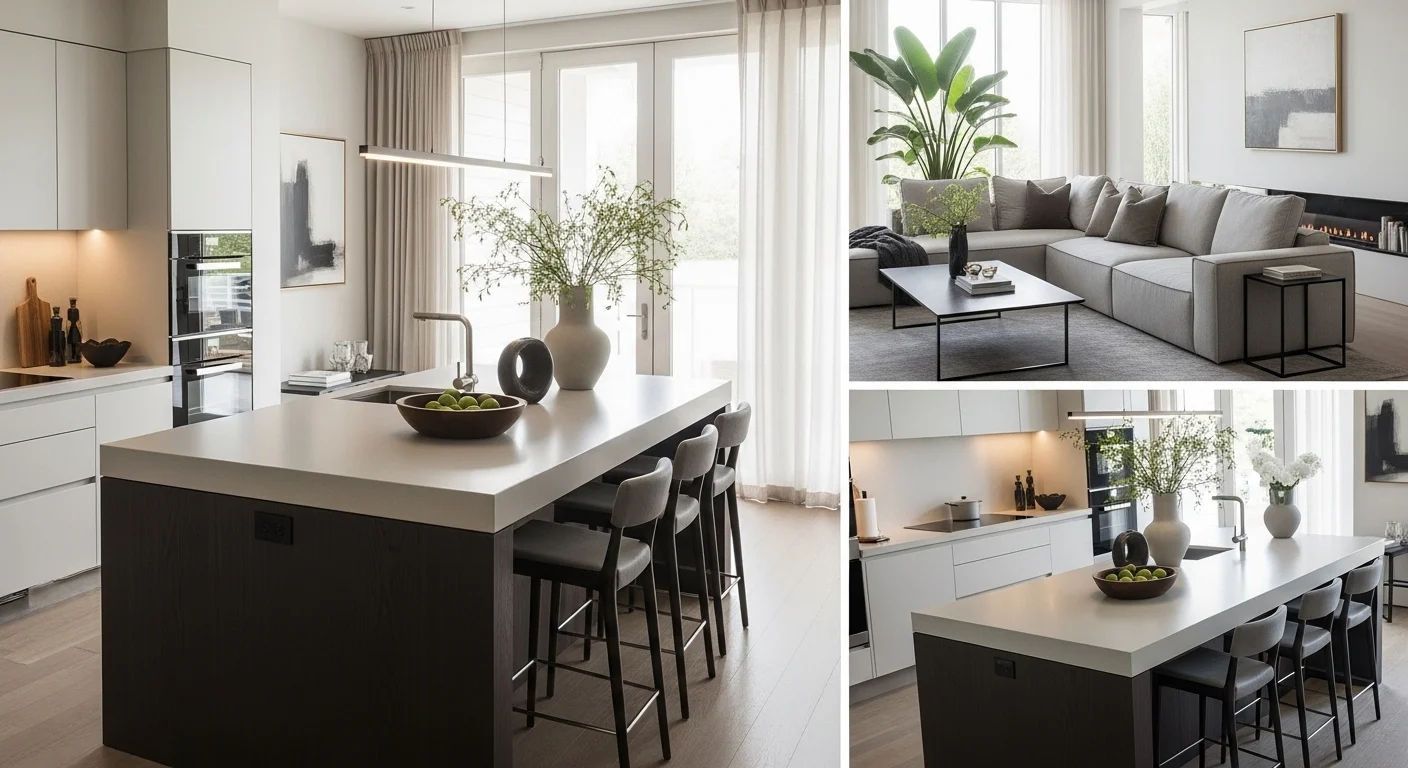
Open spaces just feel easier to live in.
More light, more flow, less clutter.
But getting that balance right matters.
These ideas help your kitchen and living room feel connected, not crowded.
1. Unified Color Palette
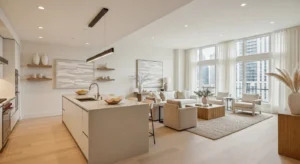
Keeping the same color palette across both areas makes everything feel connected. Soft neutrals work especially well. Beige, white, or light grey. It creates a smooth transition between spaces. And makes the room feel bigger. Even small differences in tone can break the flow. So keep it consistent. Add variation through textures instead. It keeps things interesting without losing that open feel.
2. Seamless Flooring Design
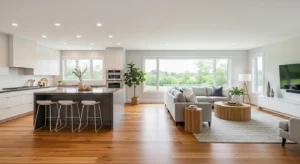
Using the same flooring throughout both spaces helps visually expand the area. It removes any clear boundary. And makes everything feel continuous. Wood, laminate, or tiles all work. Just keep it consistent. The eye moves easily across the room. And that’s what creates the spacious effect.
3. Open Kitchen Island Divider
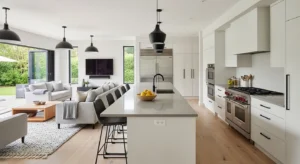
An island can define the kitchen without closing it off. It creates a natural boundary. But still keeps everything open. Use it for seating or prep space. It adds function and flow. And helps organize the layout.
4. Minimal Furniture Layout
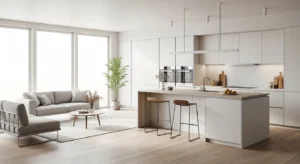
Too much furniture can break the openness. Stick to essentials. Choose pieces that feel light and simple. It keeps the space from feeling crowded. And allows better movement between areas. Less really helps here.
5. Light and Airy Curtains
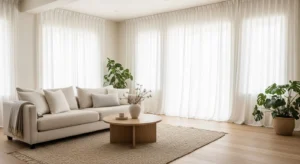
Heavy curtains can block light. And make the space feel smaller. Go for sheer or light fabrics instead. They let sunlight pass through. And keep the room feeling open. It’s a small detail, but important.
6. Matching Wood Tones
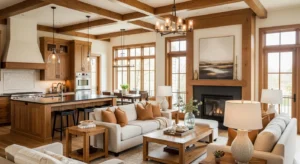
Using similar wood tones in both areas creates harmony. It connects the kitchen and living room naturally. And adds warmth. The space feels more cohesive. Without trying too hard.
7. Open Shelving Elements
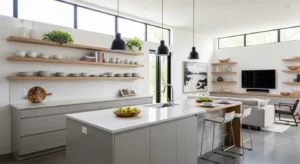
Open shelves make the kitchen feel lighter. They reduce the visual weight of cabinets. And add a bit of openness. Keep them simple. Too much can feel cluttered. Balance is key.
8. Soft Lighting Layers
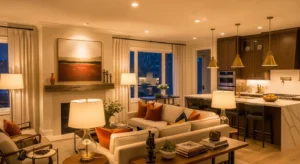
Lighting should flow across both areas. Use a mix of ceiling lights, pendants, and lamps. It creates a consistent atmosphere. And makes the space feel more connected. Lighting plays a bigger role than you think.
9. Neutral Sofa Placement
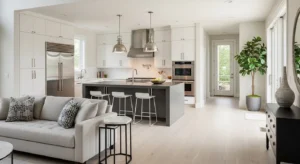
Place the sofa to subtly define the living area. But keep it facing the kitchen. It keeps the connection strong. And allows the space to feel open. The layout matters more than the size.
10. Glass or Light Materials
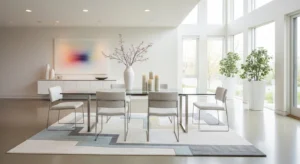
Using glass or light materials keeps things visually open. Coffee tables, decor, even lighting. It reduces visual weight. And makes the space feel bigger. Simple but effective.
11. Continuous Wall Colors
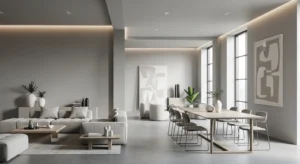
Keep wall colors consistent across both areas. It removes visual breaks. And helps the space feel unified. Even small changes can interrupt the flow. So keep it simple.
12. Low Profile Furniture
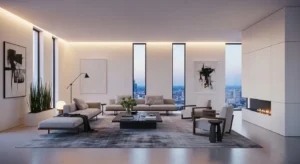
Lower furniture makes ceilings feel higher. And spaces feel larger. It keeps the room open. And less crowded visually. A small change, but noticeable.
13. Multi-Functional Furniture
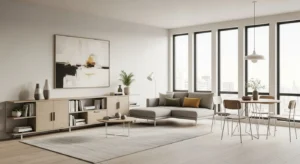
Choose pieces that serve more than one purpose. Storage ottomans, extendable tables. It reduces clutter. And keeps the space efficient. Perfect for open layouts.
14. Statement Lighting Zones
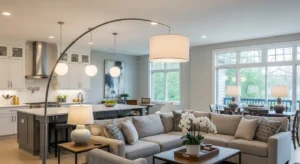
Use different lighting styles to define each area. Pendant lights over the island. Softer lights in the living room. It separates the spaces visually. Without adding walls.
15. Natural Light Focus
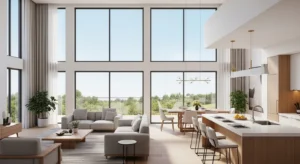
Maximize natural light wherever possible. Keep windows clear. Avoid blocking them with furniture. Light makes everything feel bigger. And more open.
16. Subtle Area Rugs
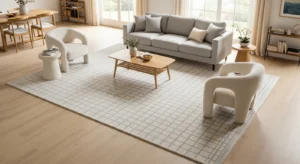
Rugs can define spaces without closing them off. Use one under the sofa. Keep it neutral. It adds structure. But still feels open.
17. Minimal Decor Styling
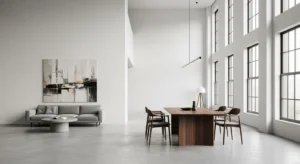
Too much decor can overwhelm an open space. Keep it simple. A few key pieces are enough. It helps maintain that spacious feel.
18. Matching Design Style
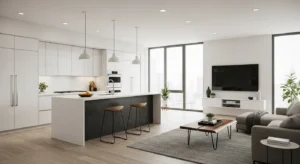
Stick to one overall style. Modern, minimal, or cozy. Mixing too many styles can feel chaotic. Consistency keeps the space calm.
19. Built-In Storage Solutions
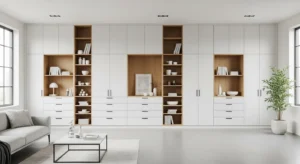
Built-in storage keeps things clean. And reduces clutter. It helps maintain an open look. And keeps everything organized.
20. Light Color Furniture
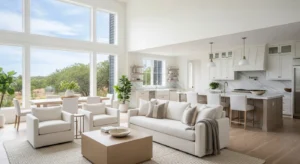
Light furniture reflects more light. And makes the space feel bigger. It keeps everything feeling soft. And open.
21. Open Sightlines Layout
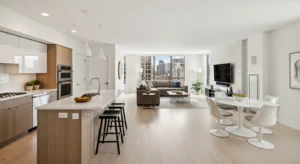
Arrange furniture so you can see across the space easily. Avoid blocking views. It keeps the room feeling connected. And more spacious.
22. Balanced Space Planning
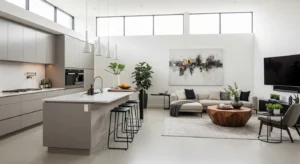
Balance both areas evenly. Don’t overcrowd one side. It keeps the layout harmonious. And more comfortable to use.