
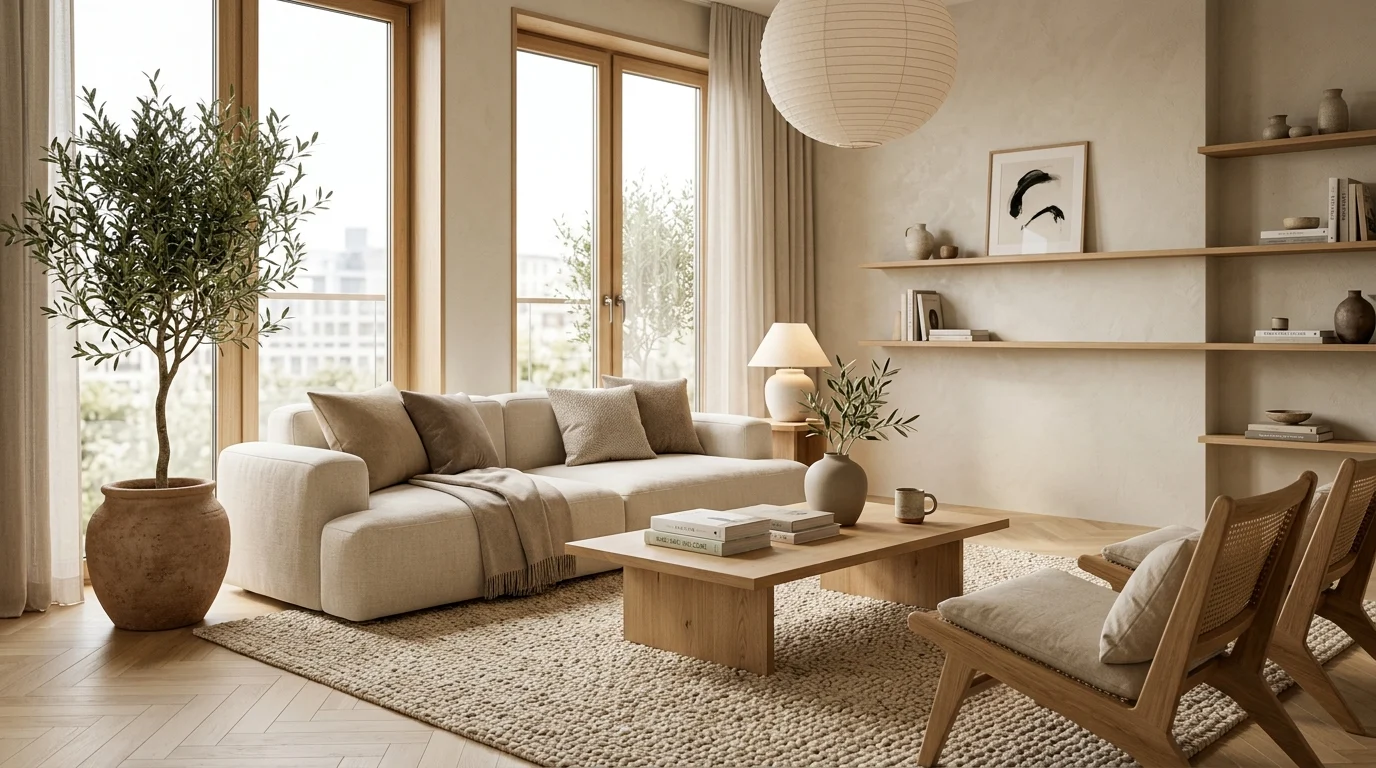
Japandi style is one of the most loved modern interior design trends because it combines simplicity, comfort, and elegance in a very balanced way. This design style blends Japanese minimalism with Scandinavian warmth to create interiors that feel peaceful, functional, and naturally beautiful. Japandi homes focus on clean spaces, neutral colors, natural materials, and mindful living. Instead of filling rooms with unnecessary furniture or decorations, Japandi design encourages homeowners to choose fewer but higher-quality pieces that add beauty and purpose to the home.
The reason Japandi style has become so popular is because people today want homes that feel relaxing and stress-free. Busy lifestyles often make homes feel cluttered and chaotic, but Japandi interiors create calm environments where every item has meaning and function. Natural wood, soft textures, handmade decor, cozy lighting, and earthy color palettes all work together to make the space feel warm and inviting while still maintaining a minimalist appearance.
If you want your home to look modern yet timeless, luxurious yet comfortable, Japandi style is a perfect choice. In this guide, you’ll learn everything about Japandi interiors and how to achieve this beautiful aesthetic in your own home.
1. Understanding Japandi Style
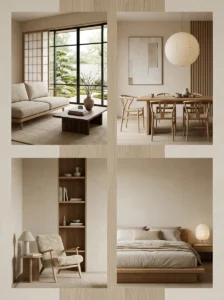
Japandi style is a fusion of Japanese and Scandinavian interior design philosophies. Japanese interiors focus heavily on minimalism, balance, natural beauty, and the concept of “wabi-sabi,” which appreciates imperfection and simplicity. Scandinavian design, on the other hand, emphasizes comfort, warmth, practicality, and functionality. When these two styles combine, they create interiors that feel calm, uncluttered, elegant, and highly livable.
One of the main goals of Japandi design is to create harmony within the home. Instead of overcrowding rooms with furniture and decor, Japandi spaces focus on intentional living. Every object in the room should serve a purpose or bring genuine joy. The style also encourages mindfulness and slower living, helping homeowners feel more connected to their surroundings.
Japandi interiors are known for their soft neutral color palettes, low-profile furniture, organic textures, natural materials, and warm lighting. Unlike traditional minimalism, which can sometimes feel cold or empty, Japandi spaces maintain warmth and coziness through layered textures and earthy tones. The result is a home that feels modern, peaceful, inviting, and timeless without appearing overly decorated or trendy.
2. Choosing the Perfect Japandi Color Palette
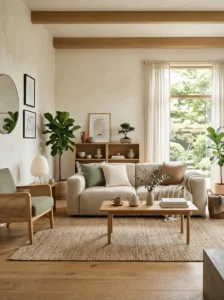
The color palette is one of the most important elements of Japandi interior design because it sets the mood for the entire space. Japandi interiors rely on soft, earthy, and muted tones that create a calm and relaxing atmosphere. Common colors include warm white, beige, taupe, soft gray, sage green, clay, muted brown, charcoal, and light wood tones. These shades help rooms feel open, airy, and connected to nature.
Unlike bold or highly saturated color schemes, Japandi color palettes are subtle and balanced. The goal is to create visual harmony rather than dramatic contrast. Neutral walls are often paired with natural wood furniture, textured fabrics, and soft decorative accents to make the space feel warm without overwhelming the senses.
Dark accents can also be used carefully to add depth and sophistication. For example, black light fixtures, charcoal cushions, or dark wood furniture can create contrast while still maintaining the minimalist aesthetic. However, these darker elements should be used sparingly.
Natural light also plays an important role in enhancing Japandi colors. Large windows, sheer curtains, and open layouts allow sunlight to highlight the soft tones and textures throughout the room. The result is a peaceful environment that feels timeless, elegant, and effortlessly relaxing.
3. Using Natural Materials in Japandi Interiors
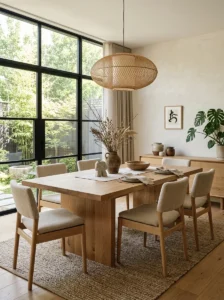
Natural materials are at the heart of Japandi design because they help create warmth, texture, and authenticity within minimalist spaces. Japandi interiors avoid artificial or overly glossy finishes and instead focus on materials that feel organic and timeless. Wood is one of the most important materials used in this style, especially oak, ash, walnut, pine, and bamboo. Light woods create Scandinavian softness, while darker woods add Japanese sophistication.
Textiles also play a major role in Japandi homes. Linen, cotton, wool, and jute are commonly used for curtains, rugs, bedding, cushions, and throws. These materials add softness and comfort without disrupting the minimalist aesthetic. Layering natural textures prevents the space from feeling cold or empty.
Stone and ceramic elements are also frequently included in Japandi interiors. Handmade pottery, matte ceramic vases, stone countertops, and textured decor pieces bring natural beauty and subtle imperfections into the home. These imperfections reflect the Japanese concept of wabi-sabi, which celebrates authenticity and simplicity.
Using natural materials helps create a stronger connection between the home and nature. It also improves the overall atmosphere by making the space feel grounded, peaceful, and welcoming while maintaining the clean and elegant appearance that defines Japandi design.
4. Choosing Japandi Furniture
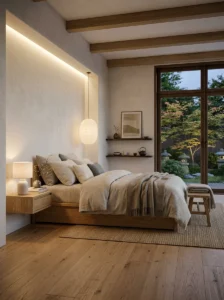
Furniture in Japandi interiors is designed to be simple, functional, and visually calming. Instead of oversized or decorative furniture, Japandi spaces feature clean lines, smooth surfaces, and practical designs that prioritize comfort and usability. The furniture is usually low-profile, inspired by traditional Japanese interiors that emphasize grounding and connection to the earth.
Platform beds, minimalist sofas, wooden dining tables, and simple storage cabinets are common choices in Japandi homes. Furniture pieces are carefully selected to avoid cluttering the room while still providing everything needed for comfortable living. Multifunctional furniture is especially popular because it supports the minimalist philosophy of owning fewer but more useful items.
Natural wood finishes are widely used because they add warmth and authenticity to the room. Matte finishes are preferred over glossy or heavily polished surfaces to maintain the soft, organic appearance of the design style. Upholstered furniture often features neutral fabrics such as linen, cotton, or boucle to create a cozy and inviting atmosphere.
Spacing is also very important in Japandi interiors. Furniture is arranged thoughtfully to allow open areas and easy movement throughout the room. This balanced layout helps the home feel more peaceful, organized, and visually harmonious while maintaining both beauty and functionality.
5. Creating Warmth Through Texture
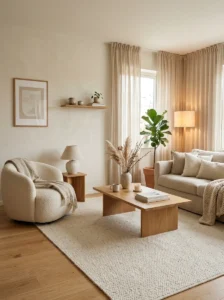
Although Japandi design is minimalist, texture is essential for making the space feel warm, inviting, and comfortable. Without texture, minimalist interiors can appear too cold or empty. Japandi interiors solve this problem by layering natural materials and soft fabrics in subtle, balanced ways.
Linen curtains, wool rugs, boucle chairs, cotton bedding, and knitted throws are commonly used to add warmth and softness to the home. These materials create visual depth while still maintaining the clean and uncluttered appearance that Japandi style is known for. Textures should feel natural and understated rather than overly bold or decorative.
Contrast also plays an important role in Japandi texture design. Smooth wooden furniture can be paired with rough ceramics, soft cushions, or woven baskets to create interest without overwhelming the room. These combinations make the interior feel more dynamic while still preserving harmony and balance.
Floor rugs made from jute, wool, or cotton can soften wooden flooring and make the room feel more comfortable underfoot. Textured decor pieces like handmade pottery or woven wall art can also add character while remaining minimalist.
The key is to layer textures carefully and intentionally so the space feels cozy, elegant, and welcoming without losing its peaceful Japandi aesthetic.