
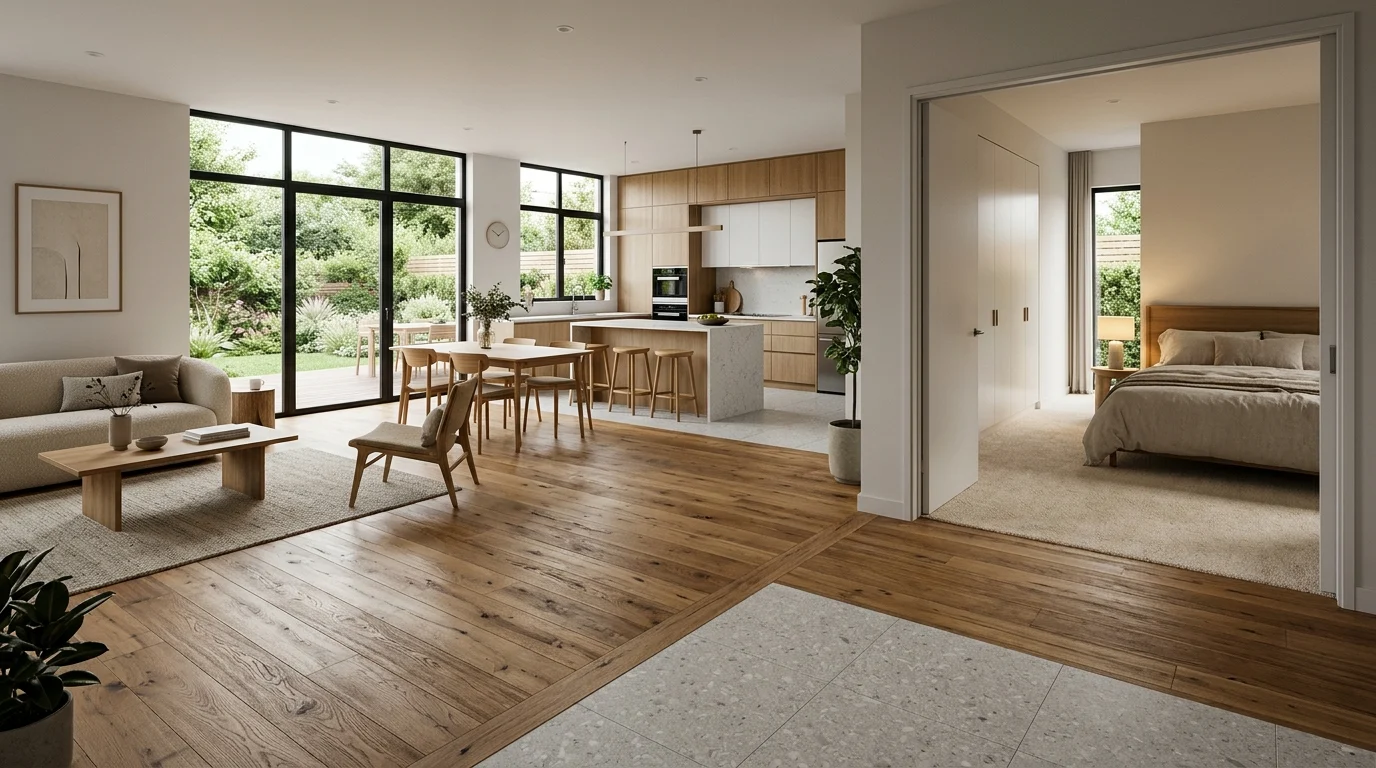
Flooring has a bigger impact on a home than most people realize. It changes how a room feels, how much maintenance it needs, and even how comfortable everyday life becomes. Some flooring looks beautiful but struggles with moisture. Others handle heavy foot traffic well but don’t always feel cozy in bedrooms. That’s why choosing the right flooring for each room matters so much.
A lot of homeowners focus only on appearance at first. But practicality becomes important very quickly once real life happens. Kids running through hallways, pets scratching surfaces, spills in kitchens, or cold floors in bedrooms can completely change how a space functions day to day.
The best flooring choices balance comfort, durability, maintenance, and style together. And honestly, every room needs something slightly different. Kitchens need water resistance. Bedrooms should feel warm and soft. Living rooms benefit from flooring that feels welcoming but still durable enough for daily use.
The good news is there’s no single “perfect” flooring for the whole house. Different materials work better in different spaces depending on how the room is used. Once you understand the strengths of each option, choosing becomes much easier.
Here’s a room-by-room guide to the best flooring choices for a stylish and functional home.
Living Room Flooring Should Feel Warm and Versatile
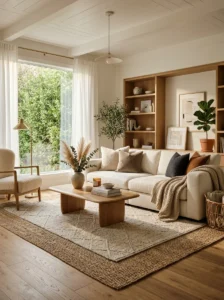
Living rooms usually need flooring that balances comfort, durability, and overall style because the space gets used constantly throughout the day. It’s where people relax, entertain guests, watch movies, and spend most of their time at home. Hardwood flooring remains one of the most popular choices because it feels timeless and works with almost every interior style. Engineered wood is another strong option, especially for homes wanting warmth without as much maintenance. And honestly, large rugs layered over wood floors instantly make living rooms feel softer and cozier while still keeping the space practical for everyday life.
Kitchen Flooring Needs Moisture Resistance
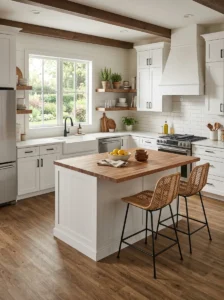
Kitchens deal with spills, water, dropped dishes, and constant foot traffic, so flooring here needs to be durable and easy to clean first. Luxury vinyl plank flooring has become incredibly popular because it handles moisture well while still looking surprisingly realistic. Some designs even mimic natural oak or stone beautifully. Tile flooring also works well, especially in busy family kitchens, although colder surfaces can sometimes feel less cozy underfoot. I personally think kitchens work best when practicality comes before trends. Floors that stain easily or scratch too quickly become frustrating fast once everyday cooking and cleaning routines begin.
Bedroom Flooring Should Feel Soft and Comfortable
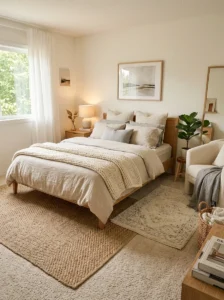
Bedrooms are one of the few spaces where comfort matters more than heavy durability. Soft carpet still remains a favorite because it creates warmth, absorbs sound, and feels relaxing first thing in the morning. But wood flooring paired with layered rugs has also become extremely popular in modern homes. It gives bedrooms a cleaner and more elevated look while still adding softness through texture. Lighter wood tones especially help bedrooms feel calm and airy. Honestly, cold hard flooring without rugs can make bedrooms feel less inviting, even if the overall decor itself looks beautiful and expensive.
Bathroom Flooring Must Handle Water Properly
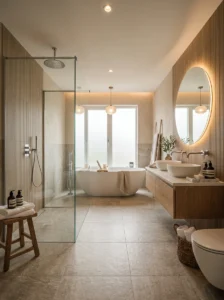
Bathrooms need flooring that can handle moisture constantly without warping or becoming slippery. Porcelain tile continues to be one of the safest and most reliable choices because it’s durable, water resistant, and available in endless styles. Smaller tiles also provide more grip, which helps in wet areas. Waterproof luxury vinyl flooring has become another strong option recently, especially for people wanting warmer-looking floors without the maintenance of natural wood. Real hardwood usually struggles in bathrooms over time because moisture eventually causes problems. And honestly, bathroom flooring should prioritize safety and practicality before aesthetics alone.
Hallway Flooring Needs Extra Durability
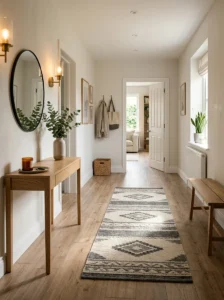
Hallways experience more daily foot traffic than almost any other part of the house. Shoes, bags, pets, and constant movement wear floors down quickly, especially near entrances. Durable flooring matters here. Tile, luxury vinyl plank, laminate, and engineered wood are usually safer long-term options because they handle scratches and dirt better than softer materials. Darker tones or textured finishes also help hide everyday dust and marks a little more easily. I’ve noticed lighter hallway flooring can start looking messy surprisingly fast in busy homes. The best hallway floors feel durable without making the space look too cold or industrial.
Dining Room Flooring Should Balance Style and Function
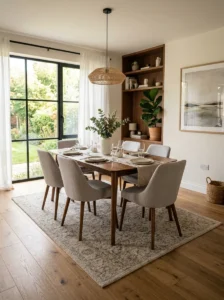
Dining rooms need flooring that feels elegant but can still survive chair movement, spills, and regular gatherings. Hardwood flooring works beautifully because it creates warmth and makes the room feel connected to nearby living spaces. Engineered wood gives a similar look with slightly easier maintenance in some homes. Rugs under dining tables can soften the space visually, although low-pile options usually work better for cleaning. Honestly, dining rooms benefit from flooring that feels timeless instead of overly trendy. Since furniture moves around often, durable finishes help prevent scratches and keep everything looking polished much longer.
Laundry Room Flooring Should Be Easy to Maintain
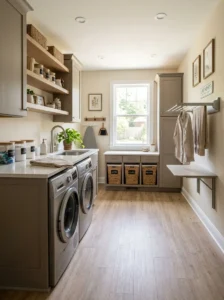
Laundry rooms are often overlooked during home design, but flooring matters here more than people expect. Water leaks, detergent spills, damp shoes, and cleaning products can quickly damage the wrong material. Tile and waterproof vinyl flooring usually perform best because they’re durable and simple to clean. Lighter flooring can also help smaller laundry rooms feel brighter and less cramped. I personally think low-maintenance materials matter most in utility spaces since nobody wants flooring that constantly needs extra care. A practical floor quietly makes everyday chores easier while still allowing the room to feel clean and visually organized.
Basement Flooring Needs Moisture Protection
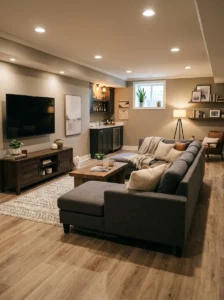
Basements often deal with humidity and moisture issues, so flooring needs to handle changing conditions better than upper-level rooms. Waterproof vinyl flooring is one of the safest choices because it resists moisture while still creating a warm finished appearance. Carpet tiles can also work in certain basements since damaged sections are easier to replace individually if needed. Natural hardwood usually isn’t ideal below ground level because moisture can cause expansion over time. And honestly, cold concrete floors rarely make basements feel inviting. Softer finishes help transform the space into something much more comfortable and livable year-round.
Home Office Flooring Should Feel Quiet and Comfortable
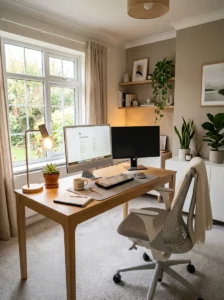
Home offices became much more important in recent years, and flooring can affect both comfort and concentration more than people expect. Carpet works well because it absorbs sound and creates a quieter atmosphere during work calls or long hours at the desk. Wood flooring with a soft area rug is another strong option if you want a cleaner modern look without losing warmth entirely. Chair mats also help protect surfaces from rolling office chairs over time. Personally, I think home office floors should feel calm and comfortable first because productivity usually improves when the room itself feels less harsh.
Open Concept Homes Need Consistent Flooring Flow
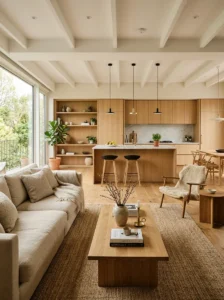
Open concept homes usually look best when flooring flows consistently between connected spaces. Using too many flooring types can visually break up the layout and make the home feel smaller or busier than it actually is. Wood flooring, luxury vinyl plank, and large-format tile are all popular choices because they create smoother transitions from kitchens to dining and living areas. Rugs can still help define separate zones without interrupting the visual flow underneath. I’ve noticed homes instantly feel more custom and cohesive when flooring remains consistent throughout the main shared spaces instead of changing every few rooms.