
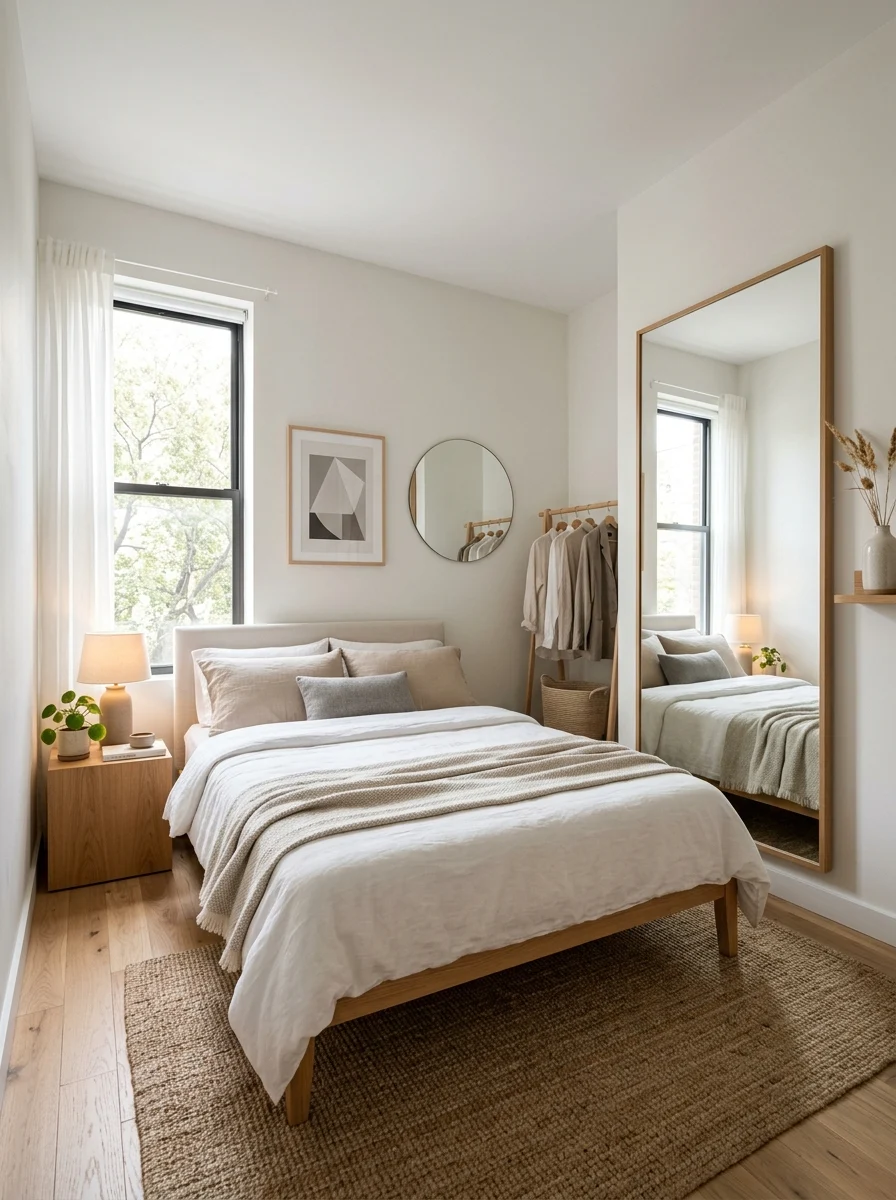
Small bedrooms can feel tight without you even realizing why.
Too much furniture, dark corners, clutter building up.
The good news? A few smart changes can completely open things up and make your space feel bigger, lighter, and more comfortable.
Use Light Neutral Colors
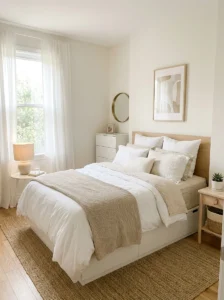
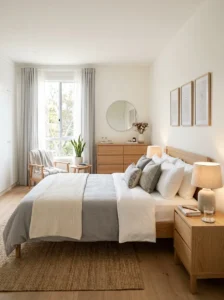
Color changes everything. Light shades like white, beige, or soft gray help reflect light and make the room feel open. Dark walls can close the space in quickly. You don’t have to go fully white, just keep things soft and airy. Even your bedding and curtains can follow the same palette. When everything blends together, the room feels less crowded. It’s one of the easiest ways to make a small bedroom feel bigger without moving anything around.
Keep Furniture Low Profile
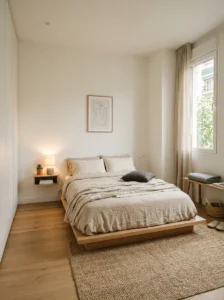
Tall, bulky furniture can overwhelm a small room fast. Lower beds and compact pieces create more visual space. It tricks the eye into thinking the ceiling is higher. Choose simple designs that don’t feel heavy. Even small changes like swapping a tall headboard for a lower one can help. The room starts to feel more open without actually gaining any space.
Use Mirrors to Reflect Light
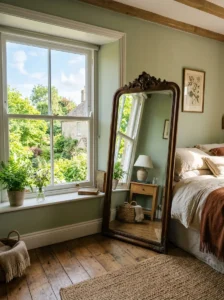
Mirrors are one of the oldest tricks for a reason. They bounce light around and make the room feel larger. Place one across from a window if possible. Even a medium-sized mirror can make a difference. It adds depth without taking up space. The key is placement. Done right, it almost doubles the feeling of the room.
Choose Multi-Functional Furniture
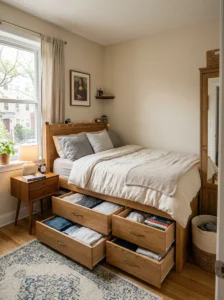
In a small bedroom, every piece should work a little harder. Think beds with storage underneath or a bench that doubles as storage. It keeps clutter hidden while saving space. You don’t need extra furniture if one item can do two jobs. This keeps the room cleaner and easier to move around in.
Keep the Floor Visible
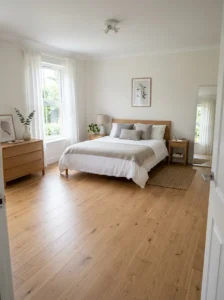
When the floor is clear, the room feels bigger instantly. Avoid covering it with too many items. Choose furniture with legs so you can see underneath. It creates a sense of openness. Even small gaps matter. The more floor you can see, the less crowded the space feels.
Use Vertical Space
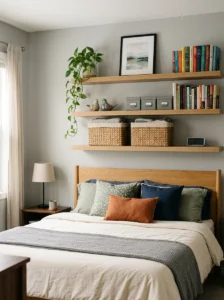
If you don’t have room to spread out, go up. Wall shelves or vertical storage help free up floor space. Keep them simple so they don’t feel heavy. This gives you storage without taking over the room. It’s a smart way to stay organized while keeping things open.
Stick to Minimal Decor
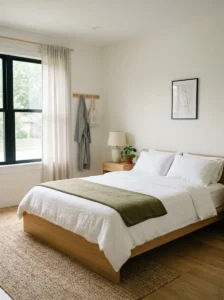
Too much decor can make a small room feel busy. Choose a few pieces that you really like. Let them stand out. Empty space is just as important as filled space. When you keep things minimal, the room feels calmer and more spacious.
Use Sheer Curtains
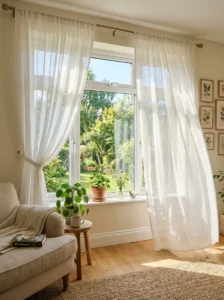
Heavy curtains can block light and make the room feel smaller. Sheer or light fabrics let sunlight pass through. This brightens the entire space. It also keeps the window area feeling open. Natural light makes a big difference in how a room feels.
Add a Large Rug
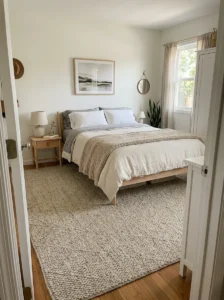
A large rug can actually make a small room feel bigger. It sounds backwards, but it works. It creates one unified area instead of breaking the floor into sections. Choose a light or neutral color. It helps tie the room together without adding clutter.
Keep Bedding Simple
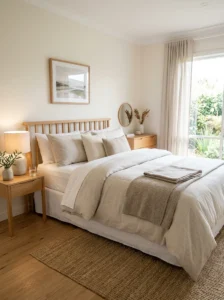
Busy patterns can make a room feel crowded. Simple bedding keeps things calm. Stick to solid colors or soft patterns. It makes the bed feel less bulky. Since the bed takes up most of the space, keeping it simple helps the whole room feel lighter.
Use Wall-Mounted Lighting
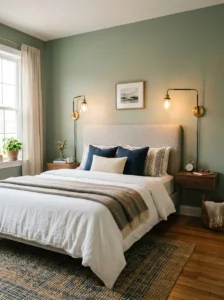
Table lamps take up valuable space. Wall-mounted lights free up your nightstand. It keeps surfaces clear and uncluttered. It also adds a modern touch. Even small changes like this can make the room feel more functional.
Choose Slim Furniture
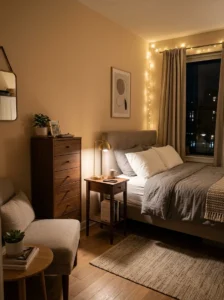
Bulky furniture can quickly fill a small room. Slim designs take up less visual space. Look for narrow nightstands or simple frames. They still do the job without overwhelming the room. It’s all about balance.
Keep Storage Hidden
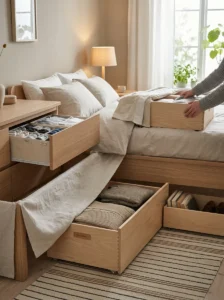
Visible clutter makes any room feel smaller. Use storage boxes, drawers, or under-bed space to hide items. When things are out of sight, the room feels cleaner. It also makes it easier to relax in the space.
Use a Monochrome Palette
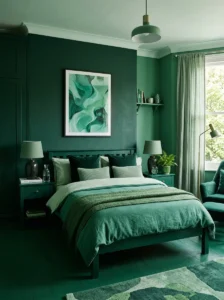
Using one color in different shades can make a room feel seamless. It removes visual breaks that can make the space feel smaller. Everything blends together naturally. It’s simple but effective.
Add a Statement Mirror
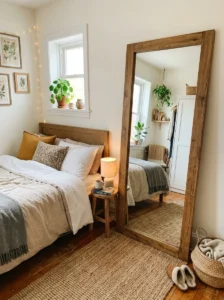
A larger mirror can act as both decor and function. It reflects light and adds depth. Leaning a mirror against the wall works well too. It doesn’t need to be complicated. One piece can change the feel of the whole room.
Keep Walls Mostly Clear
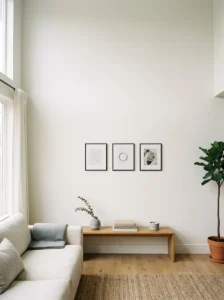
Too much on the walls can feel overwhelming. Leave some space empty. It gives your eyes a place to rest. A few simple pieces are enough. This keeps the room from feeling crowded.
Use Under-Bed Storage
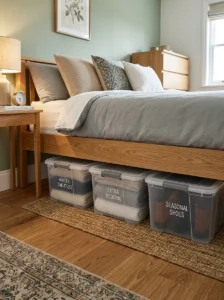
The space under your bed is often wasted. Use it for storage to keep other areas clear. Boxes or built-in drawers work well. It keeps things organized without adding furniture.
Add Light Wood Elements
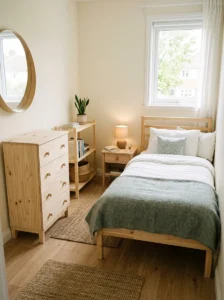
Light wood tones add warmth without making the room feel heavy. They blend well with neutral colors. It keeps the space feeling natural and open. Dark wood can feel heavier in small rooms.
Keep Nightstands Minimal
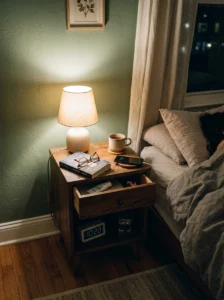
Nightstands can easily become clutter zones. Keep only the essentials. A lamp, maybe one book. That’s enough. It keeps the area clean and functional.
Maintain Daily Organization
No design trick works if the room stays messy. Take a few minutes each day to tidy up. It keeps everything in place. A clean room always feels bigger than a cluttered one.