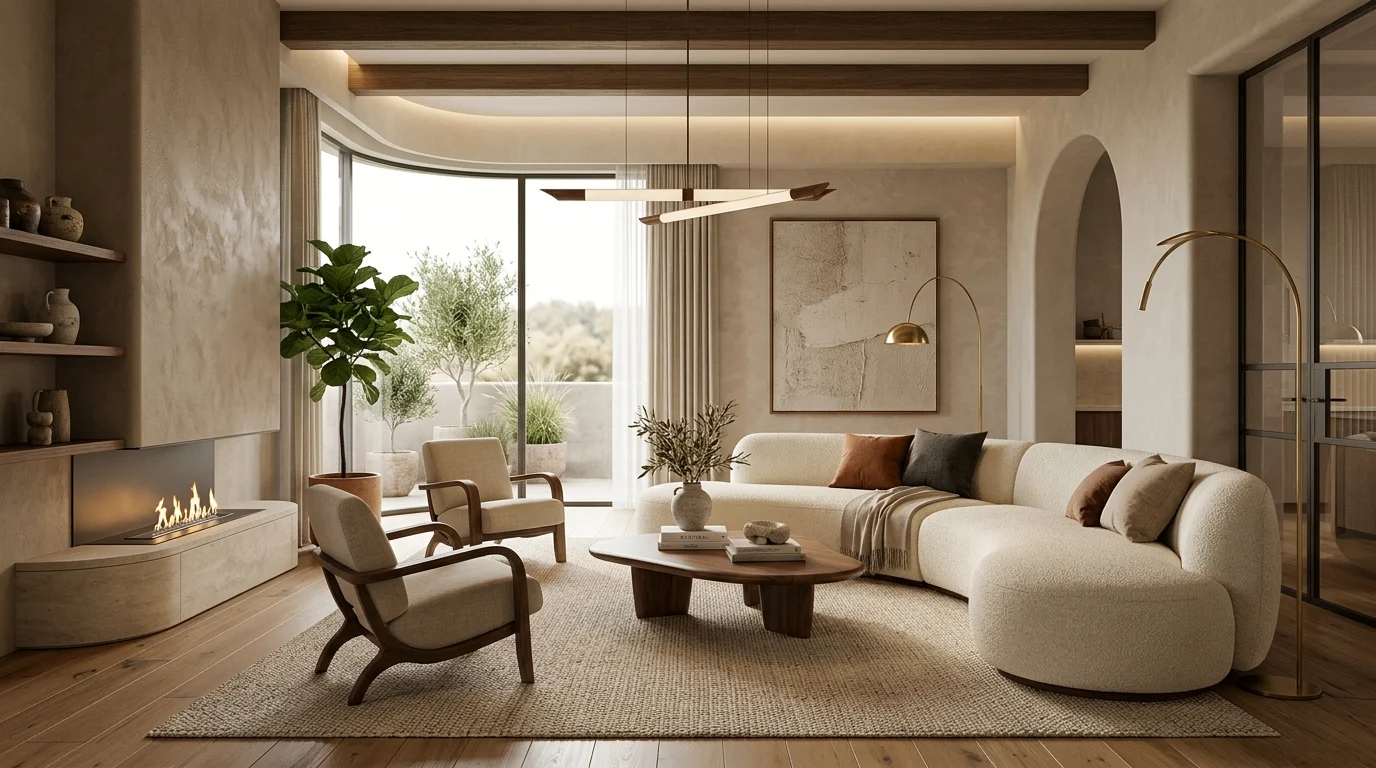
Interior design in 2026 is moving toward homes that feel more personal, calming, and emotionally comforting rather than overly perfect or trend-focused. People are becoming more intentional about how they decorate because homes are now expected to support relaxation, wellness, productivity, and everyday comfort all at the same time. Instead of chasing short-lived design trends, homeowners are focusing on timeless interiors filled with natural materials, cozy textures, layered lighting, and meaningful decor that reflects their personality and lifestyle.
One of the biggest changes happening in interior design is the shift away from cold, sterile spaces. While minimalism is still popular, it now feels much warmer and softer than before. Rich earth tones, vintage furniture, handcrafted decor, sculptural shapes, and organic materials are replacing plain white interiors and overly modern aesthetics. At the same time, bold expressive interiors are also becoming more common as people embrace individuality and storytelling through design.
Social media platforms like Pinterest and Instagram continue influencing interior trends, but homeowners are also prioritizing practicality and emotional comfort more than ever before. Spaces now need to feel functional, inviting, and deeply livable rather than just visually trendy. This has led to the rise of styles that blend luxury with coziness and simplicity with warmth.
In this guide, we’ll explore the most popular interior design styles dominating homes in 2026 and why these aesthetics are shaping the future of modern living.
1. Japandi Style
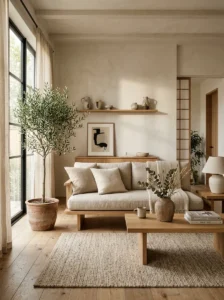
Japandi style continues to be one of the most popular interior design trends in 2026 because it creates homes that feel calm, balanced, and emotionally relaxing. This design style combines Japanese minimalism with Scandinavian warmth, resulting in interiors that are simple yet cozy at the same time. Unlike older minimalist styles that often felt cold or empty, Japandi interiors focus heavily on comfort, natural materials, soft textures, and mindful living.
One of the reasons Japandi remains so loved is because modern homeowners are searching for peaceful environments that reduce stress and visual clutter. Japandi spaces avoid unnecessary decoration and instead prioritize functionality and intentional design. Every piece of furniture and decor is carefully selected to create harmony within the room. Natural wood finishes, linen fabrics, handmade ceramics, woven textures, and warm neutral tones are all key elements of this aesthetic.
In 2026, Japandi interiors are becoming richer and more layered compared to previous years. Designers are incorporating darker woods, curved furniture, stone textures, and moodier earth tones to create spaces that feel more luxurious and inviting. Indoor plants, soft lighting, and low-profile furniture continue to define the overall look.
Japandi style is especially popular in bedrooms and living rooms because it creates calming environments perfect for relaxation. The timeless nature of the style also makes it appealing because it doesn’t feel overly trendy or temporary. Instead, Japandi offers a clean and sophisticated aesthetic that remains beautiful for many years.
2. Organic Modern Style
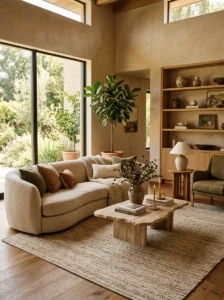
Organic Modern is becoming one of the strongest interior design styles in 2026 because it perfectly balances modern elegance with natural warmth. This style takes clean contemporary interiors and softens them using earthy textures, organic materials, and calming color palettes. Instead of glossy finishes and cold modern spaces, Organic Modern interiors feel welcoming, layered, and connected to nature.
One of the biggest reasons this style is becoming so popular is because people want homes that feel luxurious without appearing overly formal or intimidating. Organic Modern spaces often include warm wood furniture, linen fabrics, natural stone, textured rugs, clay decor, oversized lighting, and curved furniture shapes. These materials create softness and visual warmth while still maintaining a clean and sophisticated appearance.
Color palettes in Organic Modern interiors are inspired heavily by nature. Shades like olive green, sand, clay, warm beige, espresso brown, terracotta, and soft taupe are replacing cool grays and bright white interiors. Designers are also embracing imperfect natural materials because they add authenticity and character to the space.
Large windows and indoor plants are common in Organic Modern homes because natural light plays a major role in enhancing the calming atmosphere. This style also supports wellness-focused living because it creates interiors that feel peaceful and emotionally grounding.
In 2026, Organic Modern design is dominating luxury homes, boutique hotels, and Pinterest interiors because it combines timeless sophistication with comfort, warmth, and relaxed modern living.
3. Quiet Luxury
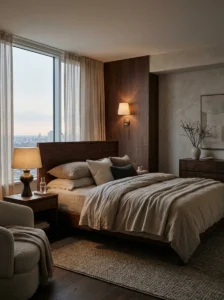
Quiet Luxury remains one of the most influential interior design styles in 2026 because it focuses on timeless elegance rather than flashy trends. Unlike overly glamorous interiors filled with excessive decoration, Quiet Luxury is subtle, refined, and understated. The goal of this design style is creating spaces that feel sophisticated and expensive through quality materials, thoughtful styling, and timeless furniture choices rather than obvious luxury branding or dramatic statement pieces.
One reason Quiet Luxury has become so popular is because people are becoming more intentional with their homes and purchases. Instead of constantly redecorating around trends, homeowners are investing in fewer high-quality pieces that will remain beautiful for years. Rich wood finishes, linen upholstery, stone surfaces, elegant lighting, handcrafted decor, and textured fabrics are all important elements of this aesthetic.
In 2026, Quiet Luxury interiors are evolving into warmer and moodier spaces compared to the cool beige minimalism that dominated previous years. Designers are incorporating darker woods, bronze accents, earthy colors, soft sculptural furniture, and layered textures to create more emotional warmth within the home. The spaces still feel minimal and elegant but now appear more comfortable and lived-in.
Quiet Luxury is especially popular in bedrooms, living rooms, and modern apartments because it creates an atmosphere that feels calming, timeless, and mature. Instead of following fast-changing trends, this style focuses on creating interiors that quietly communicate sophistication through simplicity, balance, craftsmanship, and attention to detail.
4. Warm Minimalism
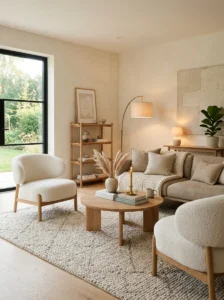
Warm Minimalism is becoming one of the defining interior design styles of 2026 because it offers simplicity without sacrificing comfort or personality. Traditional minimalism often relied on stark white walls, sharp lines, and cold modern interiors, which sometimes made homes feel sterile and emotionally empty. Warm Minimalism changes that by combining clean uncluttered spaces with cozy textures, earthy tones, and softer materials that make homes feel more inviting and relaxing.
One of the biggest reasons people are embracing Warm Minimalism is because modern life already feels busy and overwhelming. Homeowners now want spaces that help them slow down, relax, and mentally recharge. Warm Minimalist interiors focus on creating visual calm while still feeling comfortable and lived-in. Instead of empty rooms, these spaces feel intentionally simple and emotionally soothing.
Warm neutral palettes are a major part of this style. Beige, cream, taupe, warm gray, clay, muted brown, and soft olive tones are replacing harsh white interiors. Furniture also tends to have softer curves, natural wood finishes, and comfortable upholstery instead of rigid modern shapes.
Texture plays a huge role in Warm Minimalism because it prevents simple spaces from feeling flat or boring. Linen curtains, boucle chairs, wool rugs, knit blankets, and natural stone decor help create depth and coziness. In 2026, Warm Minimalism is especially popular on Pinterest because it creates timeless interiors that feel peaceful, elegant, and highly livable.
5. New Maximalism
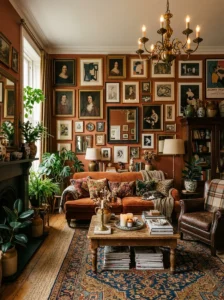
While many homeowners still love calm minimalist spaces, New Maximalism is becoming increasingly popular in 2026 for people who want interiors filled with personality, creativity, and self-expression. Unlike traditional maximalism, which often felt chaotic or overcrowded, New Maximalism focuses on curated layering and intentional storytelling while still maintaining visual balance and sophistication.
One of the biggest reasons this style is trending is because many people are moving away from generic all-neutral interiors and wanting homes that feel unique and emotionally meaningful. New Maximalism allows homeowners to showcase their interests, travels, collections, vintage finds, books, and artistic personality through interior design. Instead of hiding individuality, this style celebrates it.
Color plays a major role in maximalist interiors, but the palettes are usually more intentional than random. Rich jewel tones, earthy shades, dark woods, layered textures, patterned fabrics, sculptural lighting, and statement artwork are all common elements of this trend. Gallery walls, vintage furniture, decorative objects, and bold combinations help create a collected and layered appearance.
Despite having more decor and visual interest, New Maximalism still focuses on balance and thoughtful styling. The goal is creating interiors that feel artistic and expressive rather than cluttered. In 2026, this style is especially popular among younger homeowners and creatives who want their homes to feel personal, vibrant, and full of character while still remaining elegant and curated.