
Open spaces just feel better.
More light, more flow, less clutter.
And when the kitchen blends into the living room, everything feels bigger.
Here are ideas that make that connection look beautiful and intentional.
1. Seamless Color Palette Flow
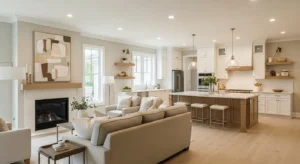
Keeping the same color palette across both spaces instantly creates a unified look. Soft neutrals, warm whites, or muted tones help everything feel connected without obvious breaks. It doesn’t have to match perfectly. Just stay within the same mood. For example, creamy cabinets paired with a beige sofa and subtle wood accents feel effortless. Even small details like cushions or decor can tie things together. When colors flow naturally, the whole area feels calmer and much more spacious.
2. Large Kitchen Island as Divider
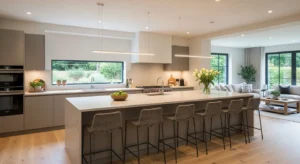
A kitchen island works as a soft divider without closing off the space. It separates cooking and lounging areas while still keeping everything open. Go for a slightly oversized island if you have the room. It adds function and visual structure. You can even add bar stools to create a casual transition zone. It’s practical, but also anchors the entire layout. And honestly, it makes the space feel more designed rather than just open.
3. Matching Flooring Throughout
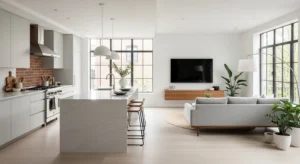
Using the same flooring in both areas is one of the easiest ways to make everything feel bigger. No visual breaks means the eye moves freely across the space. Wood, laminate, or even polished concrete can work beautifully. Just avoid switching materials abruptly. That can make the layout feel chopped up. A continuous floor keeps things clean and simple. And it subtly connects the kitchen and living room without needing extra effort.
4. Open Shelving Instead of Upper Cabinets
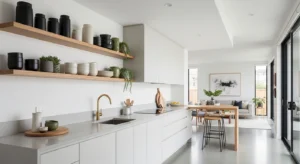
Open shelves lighten the kitchen visually, especially in an open layout. Traditional cabinets can feel heavy and closed off. But shelves keep things airy and relaxed. Display simple dishes, glassware, or a few decor pieces. Not too much. The goal is to keep it feeling light, not cluttered. It also helps the kitchen blend more naturally into the living area. Almost like part of the decor instead of a separate zone.
5. Statement Lighting to Define Zones
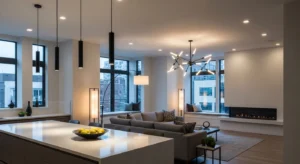
Lighting can subtly divide spaces without walls. Try pendant lights over the kitchen island and a different fixture in the living room. It creates visual zones while keeping everything open. Choose styles that complement each other, not clash. Maybe modern in the kitchen and softer in the living area. The contrast adds interest. And when the lights turn on in the evening, the space feels layered and thoughtfully designed.
6. Minimalist Furniture Choices
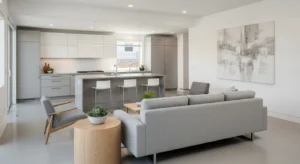
Bulky furniture can quickly make an open layout feel cramped. Go for clean lines and simple shapes instead. Low-profile sofas, sleek chairs, and light finishes work best. It gives the illusion of more room, even if the space isn’t huge. Leave some breathing space between pieces. Not everything needs to be filled. That slight emptiness actually makes the room feel more open and comfortable.
7. Glass Elements for Light Flow
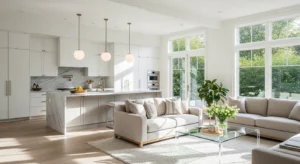
Glass keeps things visually light. Think glass pendant lights, coffee tables, or even cabinet doors. These elements don’t block the view, which helps maintain that open feeling. Natural light moves more freely too. And the reflections add a subtle glow across the room. It’s a small detail, but it changes how the space feels. Less heavy, more airy.
8. Neutral Base with Textured Layers
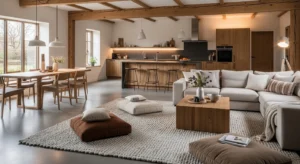
A neutral base keeps everything calm, but texture adds depth. Mix materials like linen, wood, stone, and soft fabrics. It makes the space feel cozy without overwhelming it. Think a soft rug, woven baskets, or textured cushions. The key is balance. Too much texture can feel busy. But just enough creates warmth while keeping that open, spacious vibe intact.
9. Built-In Storage Solutions
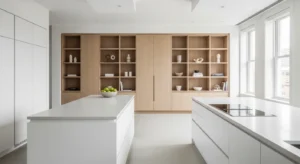
Built-ins help reduce clutter, which is essential in open spaces. When everything has a place, the room instantly feels bigger. Try built-in cabinets, shelves, or hidden storage under seating. It keeps things tidy without adding extra furniture. And visually, it blends into the walls, making the layout feel seamless. Clean and simple always works best here.
10. Use of Mirrors to Expand Space
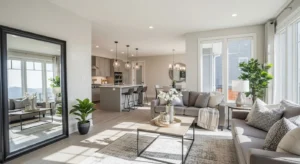
Mirrors reflect light and make spaces feel larger than they are. Place one strategically across from a window or light source. It brightens the entire room. Large mirrors work best in open layouts. They almost double the visual space. And they add a bit of elegance without taking up floor space. Simple, but very effective.
11. Consistent Decor Style
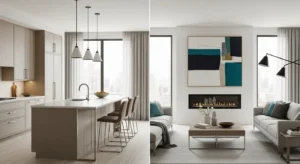
Mixing too many styles can make an open space feel chaotic. Stick to one main aesthetic, whether it’s modern, farmhouse, or minimal. You can still add small variations, but keep the overall look cohesive. This helps both areas feel like one complete space. It’s subtle, but it makes a big difference in how everything comes together visually.
12. Sliding Glass Doors for Outdoor Connection
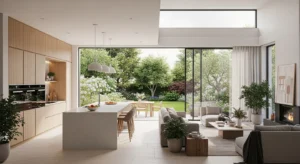
If you can, add large sliding doors leading outside. It extends the space visually beyond the walls. Natural light floods in, and everything feels more open. Even when closed, the glass keeps the connection. It’s perfect for blending indoor and outdoor living. And it makes the entire area feel fresh and airy.
13. Layered Lighting Setup
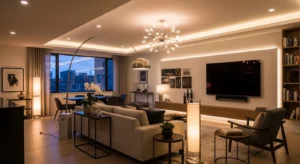
One overhead light isn’t enough in an open layout. Layer different lighting types instead. Combine ceiling lights, floor lamps, and under-cabinet lighting. It adds depth and flexibility. You can adjust the mood depending on the time of day. And it helps define different areas without physical barriers. Soft lighting in the living room, brighter in the kitchen—it just works.
14. Low Partition or Half Wall
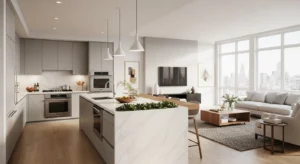
If you want a bit of separation, a low wall can help. It divides the space slightly without closing it off completely. You still get that open feel, but with a touch of structure. It can also double as a shelf or display area. Functional and subtle. And it keeps the layout from feeling too exposed.
15. Rugs to Define Spaces
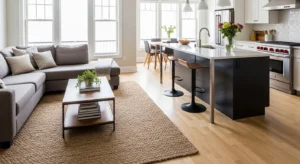
Rugs are an easy way to separate areas visually. Place one under the living room seating to anchor it. Keep the kitchen area rug-free or use a runner. It creates a clear distinction without walls. Choose colors that complement each other. Not identical, just cohesive. It’s a simple trick, but it really helps organize the space.
16. Monochrome Color Scheme
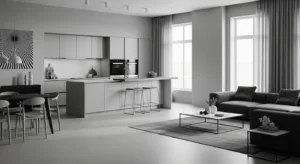
A monochrome palette keeps everything looking clean and cohesive. Different shades of the same color add depth without breaking the flow. Think soft greys, warm beiges, or creamy whites. It’s calming and visually expansive. The space feels intentional, not busy. And it works especially well in modern interiors.
17. Open Concept with High Ceilings
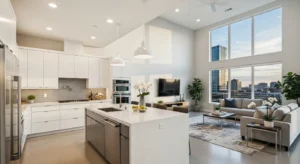
High ceilings instantly make any space feel bigger. In an open kitchen and living room, they add even more impact. The vertical space creates a sense of airiness. Add tall windows or long curtains to emphasize the height. It draws the eye upward. And the whole room feels lighter and more open.
18. Hidden Appliances for Clean Look
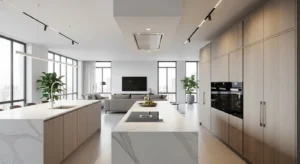
Appliances can sometimes break the visual flow. Panel-ready or built-in options help keep everything seamless. The kitchen blends into the living area more naturally. It almost feels like part of the furniture. Clean lines, no distractions. It’s a small detail, but it makes the whole space look more refined.
19. Light Wood Accents
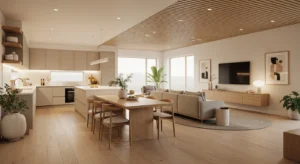
Light wood adds warmth without making the space feel heavy. It works beautifully in open layouts. Use it in flooring, furniture, or small decor pieces. It softens modern designs and keeps things inviting. And it pairs well with almost any color palette. Simple, natural, and always a good choice.
20. Minimal Decor Approach
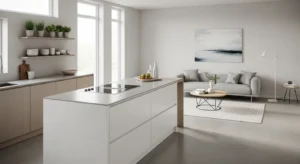
Too much decor can make an open space feel cluttered fast. Keep it simple. A few well-chosen pieces are enough. Maybe a vase, a couple of books, or one statement artwork. Let the space breathe. Empty areas aren’t a bad thing. They actually help everything feel bigger and more relaxed.
21. Cohesive Cabinet and Furniture Finishes
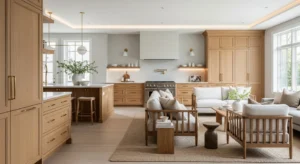
Matching finishes between kitchen cabinets and living room furniture creates a smooth transition. It doesn’t have to be exact, but it should feel intentional. Similar tones or materials work best. It ties everything together visually. And the space feels more unified without obvious breaks.
22. Open Layout with Natural Light Focus
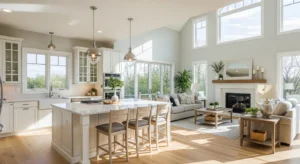
Natural light is everything in an open space. Keep windows uncovered or use sheer curtains. Let the light flow freely between areas. It brightens both the kitchen and living room at once. And it instantly makes the space feel bigger. Even on cloudy days, it still helps create that soft, open atmosphere.