
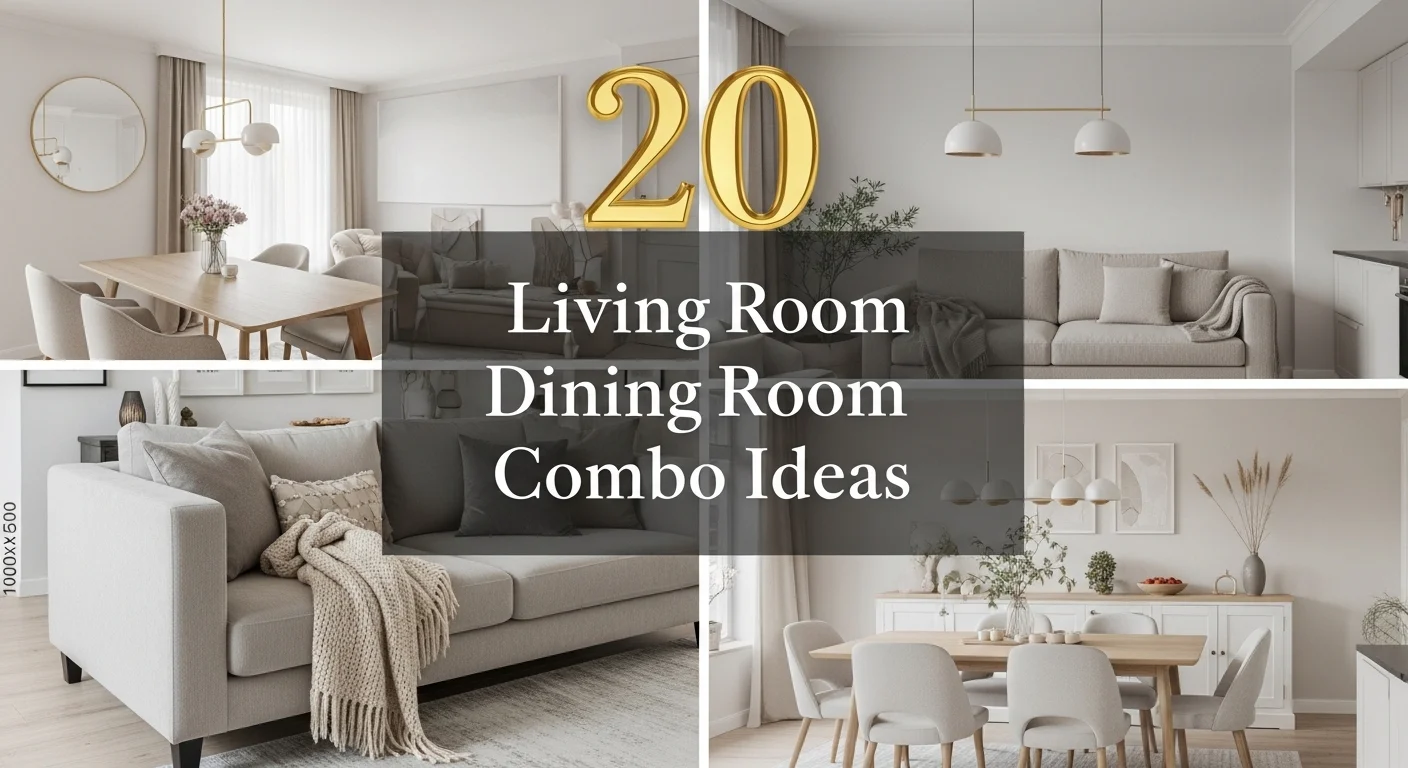
Open spaces can be tricky.
You want flow, but also some structure.
A living room dining room combo needs balance.
These ideas help everything feel connected, not crowded.
1. Use a Large Area Rug to Define the Living Space
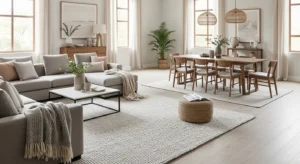
A large rug can visually separate the living area without using walls. It anchors the sofa and seating, making that zone feel complete. Choose something neutral if your dining space is already busy. Or go slightly textured for warmth. It helps guide the eye naturally from one area to another. And it makes the layout feel intentional, not random. Simple, but very effective.
2. Keep a Consistent Color Palette
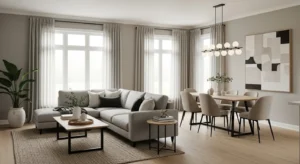
Using the same color tones across both areas creates flow. You don’t need everything to match perfectly. Just stay within a similar palette. Soft neutrals or warm tones work best. It keeps the space feeling calm. And it prevents the room from looking divided. Everything blends naturally.
3. Use a Sofa as a Divider
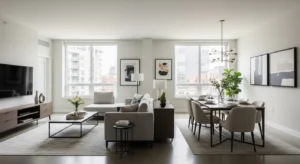
Positioning the sofa facing away from the dining area creates a natural boundary. It separates the spaces without blocking them. It’s subtle, but it works. And it keeps everything open. Add a console table behind it if you want extra function.
4. Add a Statement Light Over the Dining Table
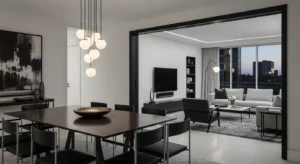
Lighting can define zones without physical barriers. A pendant or chandelier above the dining table creates a clear focal point. It draws attention and separates the dining area visually. Keep the living room lighting softer for contrast. It adds depth and balance.
5. Choose Multi-Functional Furniture
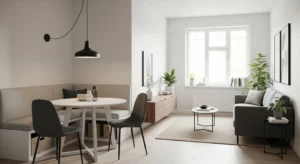
In shared spaces, furniture needs to work harder. A bench can be used for dining and extra seating. A console table can double as storage. These small choices make the space more flexible. And help avoid clutter. It’s practical, but still stylish.
6. Keep Furniture Low Profile
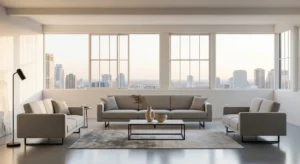
Low furniture helps keep the space open. It doesn’t block sightlines between the living and dining areas. Sofas, chairs, and tables should feel light. Not bulky. This makes the entire room feel bigger. And more connected.
7. Use Open Shelving as a Soft Divider
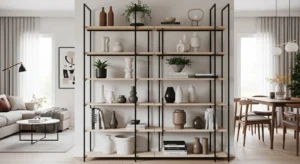
Open shelves can separate spaces without closing them off. They provide storage while still allowing light to pass through. Style them lightly. Too much can feel cluttered. It’s a functional and visual solution at the same time.
8. Add a Dining Bench for Flexibility
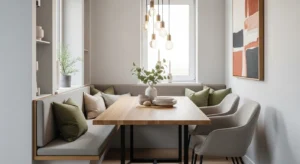
A dining bench takes up less space than chairs. It can be tucked in easily when not in use. And it keeps the area feeling less crowded. It also works well in smaller layouts. Practical and simple.
9. Stick to Light, Airy Colors
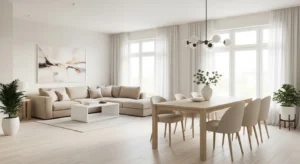
Light tones make a shared space feel bigger. Whites, beiges, and soft greys reflect light and open up the room. It keeps both areas feeling fresh. And prevents the space from feeling too heavy or divided.
10. Use Mirrors to Expand the Space
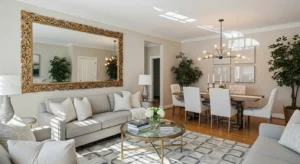
Mirrors reflect light and create the illusion of more space. Place one where it catches natural light. It brightens both areas at once. And makes the room feel more open. A simple trick that works well.
11. Layer Different Textures
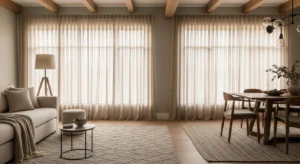
Texture adds depth without clutter. Mix fabrics like linen, wool, and wood. It keeps the space interesting. Even if the color palette is simple. And it makes the room feel more inviting.
12. Keep Decor Minimal
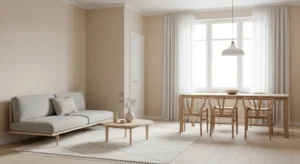
Too much decor can overwhelm a combo space. Keep it simple. A few key pieces are enough. It helps maintain a clean and open feel. And makes both areas easier to manage visually.
13. Use a Console Table Between Spaces
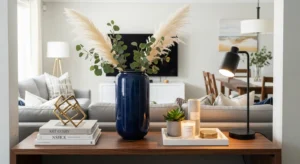
A console table behind the sofa can act as a soft divider. It adds function without closing off the space. Use it for decor or storage. It’s subtle, but effective.
14. Match Dining and Living Furniture Tones
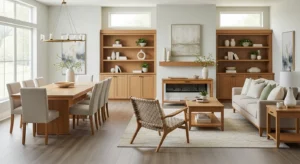
Furniture doesn’t need to match exactly, but it should feel connected. Similar tones or materials help create cohesion. It keeps the space feeling unified. And more polished overall.
15. Add Curtains to Soften the Space
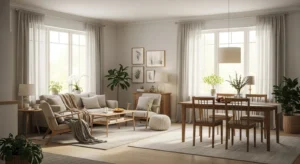
Curtains bring softness into a shared room. Light fabrics work best. They add texture without blocking light. And they make the space feel more relaxed.
16. Create Zones with Lighting Layers
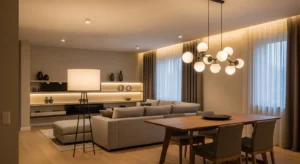
Different lighting for each area helps define them. Use a floor lamp in the living room and a pendant over the dining table. It creates separation without walls. And adds depth.
17. Keep Walkways Clear
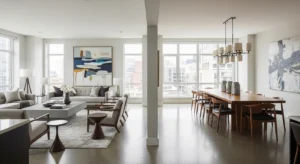
Flow matters in a combo space. Leave enough room to move easily between areas. Avoid overcrowding with furniture. It keeps the layout practical and comfortable.
18. Add a Feature Wall for One Area
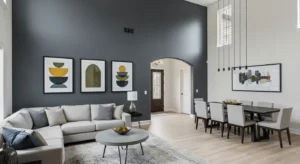
A feature wall can define one zone. Maybe behind the sofa or dining table. It adds interest without affecting the whole room. Keep it subtle for balance.
19. Use Round Tables in Smaller Spaces
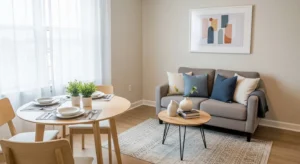
Round dining tables work well in compact layouts. They take up less space and improve flow. No sharp edges means easier movement. And it feels more relaxed.
20. Keep Everything Balanced
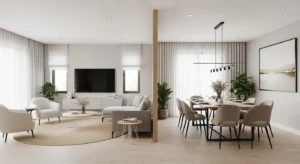
Balance is key. Don’t let one area overpower the other. Keep proportions in mind. Similar scale, similar weight. It helps the room feel cohesive. And more comfortable to use.