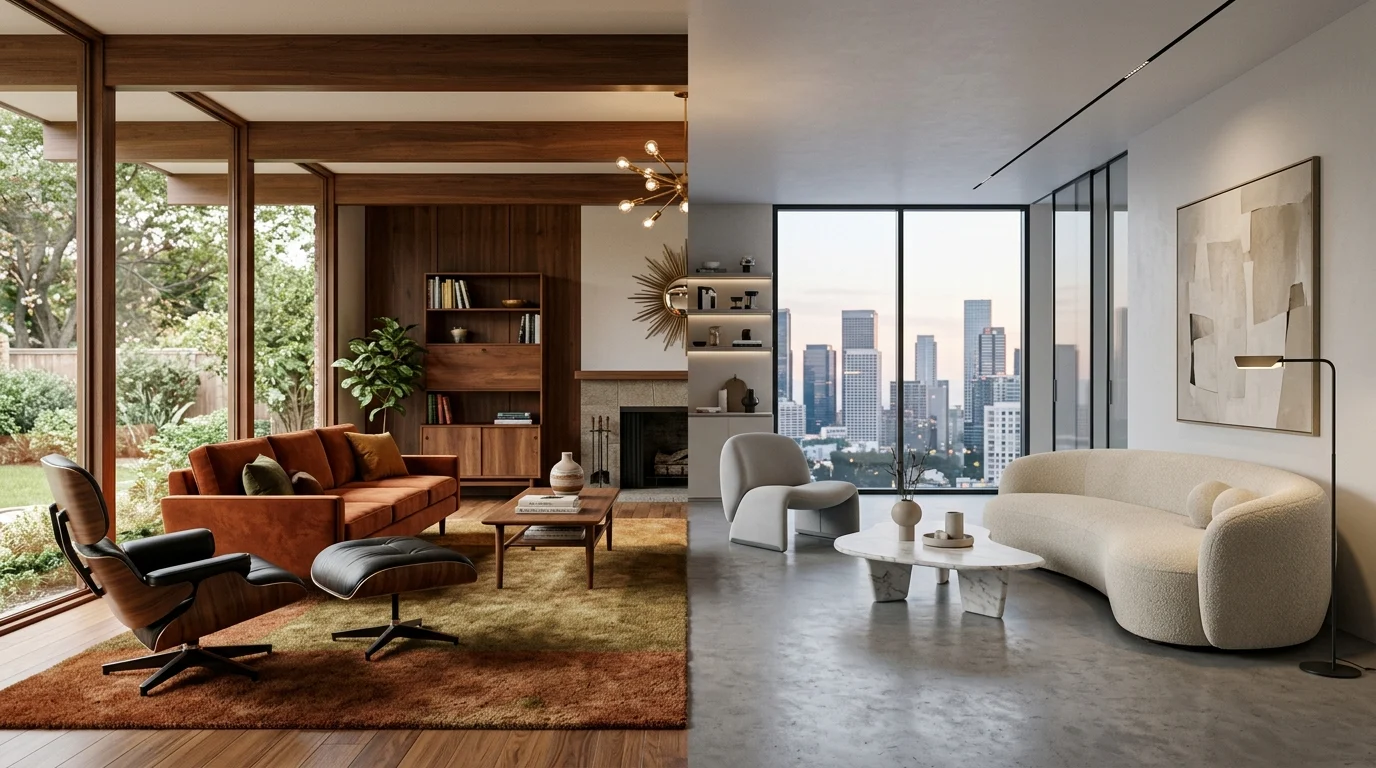
Modern and contemporary design are two of the most popular interior design styles, yet they are also some of the most commonly confused. Many people use the terms interchangeably because both styles focus on clean lines, simplicity, and uncluttered interiors. At first glance, they can appear very similar. However, despite sharing some visual qualities, modern and contemporary design are actually quite different in terms of history, materials, color palettes, and overall philosophy.
One of the biggest reasons people confuse these styles is because contemporary interiors often borrow elements from modern design. Both aesthetics value simplicity and avoid excessive decoration, but modern design refers to a specific historical movement while contemporary design constantly evolves with current trends. Understanding this difference makes it much easier to identify each style and decide which one best fits your home and lifestyle.
Modern interiors are rooted in early-to-mid twentieth-century design movements, particularly Scandinavian and Bauhaus influences. The style emphasizes functionality, natural materials, warm neutrals, and timeless simplicity. Contemporary design, on the other hand, reflects what is currently popular in interior design today. It changes over time and often combines influences from multiple design styles at once.
Learning the differences between modern and contemporary design can help homeowners decorate more intentionally instead of simply copying trends without understanding them. Once you recognize the unique characteristics of each aesthetic, it becomes much easier to create a home that feels cohesive, stylish, and true to your personal taste.
In this guide, we’ll break down the key differences between modern and contemporary design and explain how each style shapes today’s interiors.
1. Modern Design Comes From a Specific Time Period
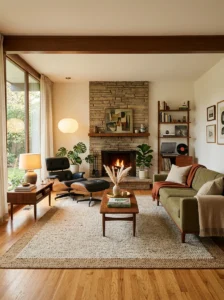
One of the most important differences between modern and contemporary design is that modern design refers to a specific historical design movement. Modern design developed during the early to mid-twentieth century and was heavily influenced by Scandinavian design principles and the German Bauhaus movement. Designers during this era focused on simplicity, functionality, and clean architectural forms that removed unnecessary ornamentation.
The philosophy behind modern design was based on the idea that furniture and interiors should be practical while still remaining beautiful. Instead of overly decorative details, modern interiors emphasized clean silhouettes, geometric forms, and balanced proportions. Materials like natural wood, leather, stone, linen, and metal became central parts of the aesthetic because they reflected honesty and simplicity in design.
One reason modern interiors remain so popular today is because they feel timeless rather than trend-driven. Mid-century modern furniture, which evolved from modernism during the 1950s and 1960s, is still widely loved because of its elegant shapes and practical functionality. Pieces by designers like Charles and Ray Eames or Florence Knoll continue influencing interior design decades later.
Modern interiors also tend to feel warmer than many people expect. Although the style is minimalist compared to traditional interiors, it often includes earthy tones, walnut woods, textured fabrics, and natural materials that create comfort and warmth. Overall, modern design is rooted in timeless simplicity and historical design principles rather than constantly changing trends.
2. Contemporary Design Reflects Current Trends
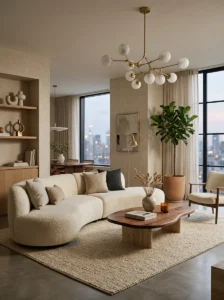
Unlike modern design, contemporary design does not belong to one specific historical time period. Instead, contemporary design refers to whatever styles, materials, and aesthetics are currently popular at the present moment. Because trends continuously evolve, contemporary interiors are constantly changing over time, which makes the style more fluid and difficult to define permanently.
One of the biggest characteristics of contemporary design is its flexibility. Contemporary interiors often borrow elements from multiple styles including modernism, minimalism, industrial design, Scandinavian interiors, Art Deco, and even organic modern aesthetics. Rather than strictly following one design philosophy, contemporary spaces combine different influences to reflect current tastes and lifestyles.
In 2026, contemporary interiors are becoming warmer and softer compared to the cold minimalism that dominated previous years. Designers are now embracing curved furniture, layered textures, earthy tones, statement lighting, organic materials, and sculptural shapes to make homes feel more inviting and emotionally comforting. This ability to evolve is what separates contemporary design from modern design, which remains tied to a specific historical aesthetic.
Contemporary interiors also tend to prioritize open spaces, simplicity, and clean lines, but they usually feel more trend-aware and experimental. Materials like glass, steel, concrete, chrome, and textured fabrics are commonly mixed together to create balance between sophistication and comfort.
Because contemporary design evolves constantly, a contemporary home today may look very different from contemporary interiors ten years from now. This constant evolution is one of the defining features of the style.
3. Modern Design Uses More Natural Warmth
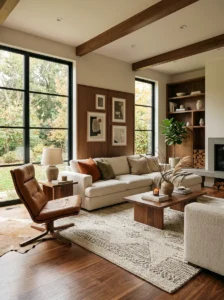
Although modern design is known for simplicity, it often feels warmer and more organic than contemporary interiors. One common misconception is that modern design is cold or sterile, but true modern interiors actually emphasize comfort through natural materials, earthy colors, and balanced proportions. Warmth is an important part of the style because modern designers believed homes should feel functional yet comfortable and livable.
Wood plays a huge role in modern interiors, especially medium and dark-toned woods like walnut and teak. These natural materials help soften clean architectural lines and prevent the space from feeling too harsh or industrial. Leather seating, linen fabrics, woven textures, stone surfaces, and soft neutral rugs also contribute to the grounded and welcoming atmosphere found in modern spaces.
Color palettes in modern design are typically more muted and earthy compared to some contemporary interiors. Shades like olive green, rust, mustard, camel, warm beige, charcoal, and brown are commonly used alongside neutral backgrounds. These tones help create visual warmth and timeless appeal without relying on excessive decoration.
Furniture in modern interiors usually features low profiles, clean silhouettes, tapered legs, and practical shapes that prioritize both comfort and functionality. Even though the style avoids clutter, it still feels cozy because of the way textures and natural materials are layered thoughtfully throughout the room.
Modern design’s focus on simplicity, craftsmanship, and natural warmth is one reason the style continues feeling timeless even decades after its original development.
4. Contemporary Design Feels More Minimal and Flexible
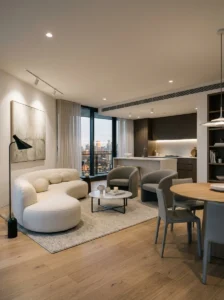
Contemporary design often feels more minimal, open, and visually streamlined compared to traditional modern interiors because it constantly adapts to current lifestyle preferences and design trends. While contemporary spaces still value simplicity, they tend to focus more heavily on clean visual flow, open layouts, and sculptural forms that feel current and sophisticated.
One reason contemporary interiors feel different from modern interiors is because they are less connected to strict design rules. Contemporary spaces can combine soft curves with industrial materials, minimalist furniture with statement lighting, or neutral palettes with bold artistic accents. This flexibility allows designers to experiment more freely while still maintaining an uncluttered and elegant appearance.
In recent years, contemporary interiors have shifted away from the ultra-cold gray and white spaces that dominated the early 2010s. In 2026, contemporary homes now feature warmer neutral palettes, textured fabrics, oversized lighting, curved furniture, and more organic materials. Despite this warmth, contemporary interiors still generally feel sleeker and more trend-driven than traditional modern interiors.
Technology also plays a larger role in contemporary design. Smart home integration, hidden storage, minimal hardware, frameless cabinetry, and sleek architectural details are common in contemporary spaces because the style evolves alongside modern lifestyles and innovations.
Contemporary interiors are ideal for homeowners who enjoy keeping their homes current and updated over time. Because the style changes as trends evolve, contemporary homes often reflect the latest movements in interior design rather than remaining tied to one specific historical aesthetic.
5. The Biggest Difference Is Timeless vs Trend-Driven
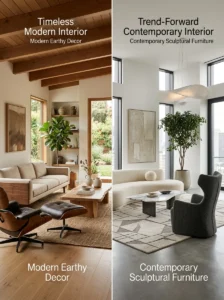
The biggest overall difference between modern and contemporary design is that modern design is tied to a timeless historical movement, while contemporary design is constantly changing to reflect current trends. Modern interiors remain relatively consistent because they are based on established design principles from the twentieth century. Contemporary interiors, however, evolve continuously depending on what designers and homeowners currently find popular.
Modern design focuses heavily on balance, functionality, craftsmanship, and simplicity that can last for decades without feeling outdated. Many modern furniture pieces designed in the mid-century era are still considered iconic today because their forms remain elegant and practical even many years later. This timeless quality is one reason modern interiors often feel calm, stable, and enduring.
Contemporary design is much more fluid because it absorbs influences from multiple styles and adapts to changing lifestyles. For example, contemporary interiors today include warmer earth tones, curved furniture, and organic textures, but these trends may evolve significantly over the next decade. The style is shaped by the present moment rather than a historical design philosophy.
Another way to understand the difference is thinking of modern design as a specific chapter in design history, while contemporary design represents the ongoing story of what’s currently fashionable and relevant. Both styles can create beautiful homes, but they appeal to slightly different personalities and design goals.
Understanding these differences helps homeowners decorate more intentionally while creating interiors that reflect either timeless simplicity or evolving modern trends.