

Let me guess—you opened a drawer today, and something fell out. Again. You stared at the mess and thought, “Why do I even own this?” Yep, been there. That tiny moment of frustration usually sparks a bigger thought: life feels way more complicated than it needs to be.
I’ve gone through the decluttering spiral more times than I care to admit, and trust me, simplifying your life and getting rid of stuff isn’t about becoming a minimalist monk. It’s about breathing easier, thinking clearer, and not fighting your own belongings every single day.
Let’s talk like friends and sort this out—literally.
Why Simplifying Your Life Actually Matters

People love to say, “Stuff doesn’t matter.” Cool idea, but also… kind of a lie. Stuff affects your mood, your time, and even your energy.
Clutter Messes With Your Head
Every item you own demands attention, even silently. That pile of clothes on the chair? It nags you. The random cables in a drawer? They whisper guilt.
When you simplify your life, you reduce mental noise.
Less stuff means fewer decisions, fewer distractions, and way less stress. Ever noticed how calm a hotel room feels? That’s not magic. That’s minimal clutter.
More Space = More Freedom
I don’t mean just physical space. I mean life space.
When you get rid of stuff, you:
-
Clean faster
-
Find things easily
-
Stop buying duplicates (FYI, owning three scissors isn’t a flex)
Simplifying your life gives you time back, and time beats stuff every single time.
The Real Reason We Hold Onto Too Much
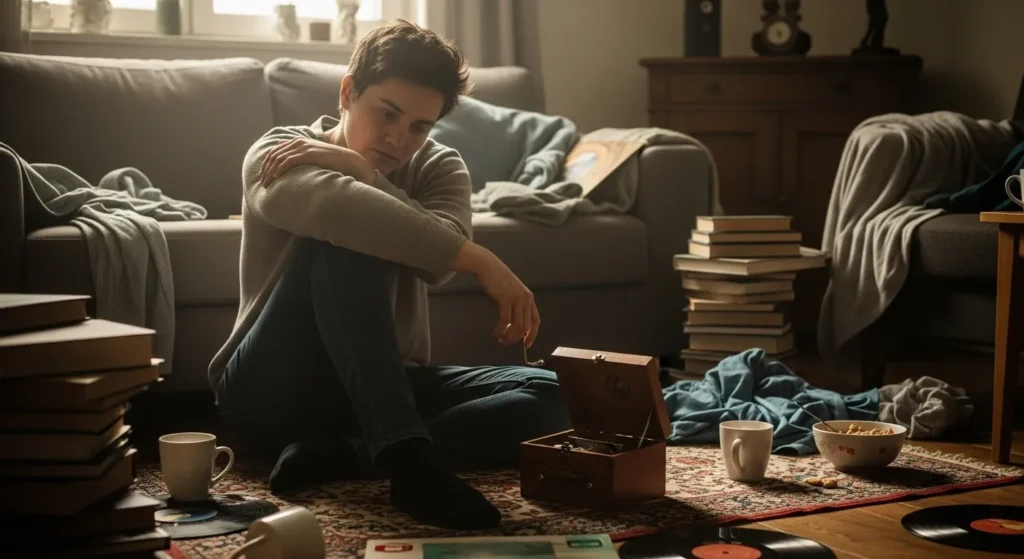
Before you start tossing things, let’s be honest about why clutter happens in the first place.
Emotional Attachment Is Sneaky
We don’t keep objects—we keep memories, guilt, and “what ifs.”
You keep things because:
-
“It was expensive”
-
“I might need it someday”
-
“It reminds me of a time/person”
IMO, most of that stuff doesn’t deserve permanent rent in your home. Memories live in your head, not in broken kitchen gadgets.
Fear of Needing It Later
This one gets everyone. You think future-you will thank present-you for keeping that item.
Spoiler alert: future-you mostly feels annoyed.
If you haven’t used something in a year, you probably won’t miss it. And if you do? You’ll survive. Promise 🙂
Start Small or You’ll Quit (Ask Me How I Know)
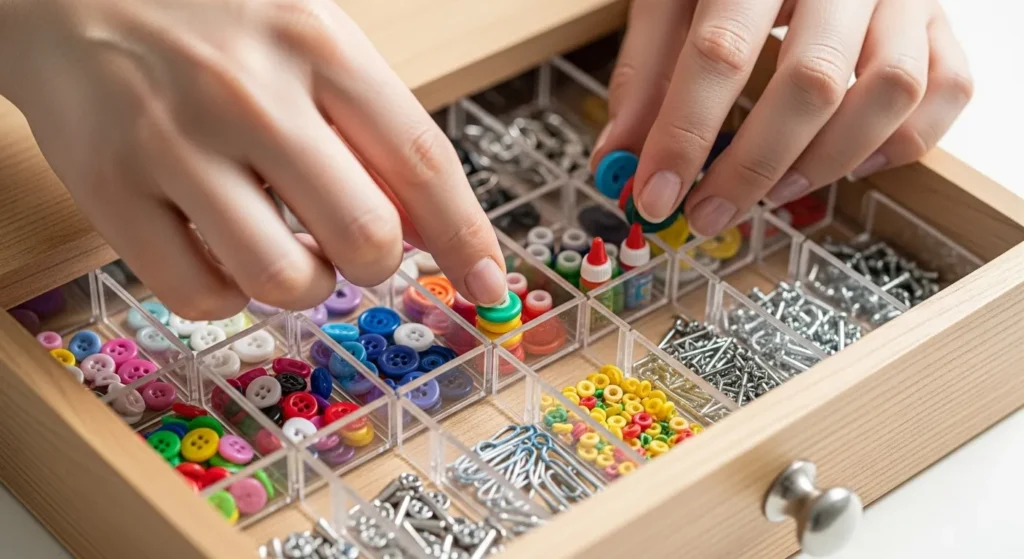
Big decluttering plans sound great… until you burn out halfway through one room.
The 10-Minute Rule
Set a timer for 10 minutes. Declutter one drawer, one shelf, or one corner. Stop when the timer ends.
This works because:
-
It feels doable
-
You avoid overwhelm
-
Progress adds up fast
Ever wondered why tiny wins feel so motivating? That’s your brain loving completion.
Pick the “Easy Yes” Areas First
Don’t start with sentimental items. That’s emotional bootcamp.
Start with:
-
Expired makeup
-
Old paperwork
-
Random cables
-
Mismatched socks
Quick wins build momentum, and momentum keeps you going.
How to Decide What Actually Stays

This part trips people up, so let’s simplify it—pun intended.
Ask Better Questions
Instead of “Should I keep this?”, ask:
-
Do I use this regularly?
-
Do I genuinely like this?
-
Would I buy this again today?
If the answer is no across the board, you know what to do.
Keep What Adds Value, Not Guilt
Your home should support your life, not judge it.
Keep things that:
-
Make daily life easier
-
Bring actual joy
-
Serve a clear purpose
If an item only brings guilt, it’s not serving you. It’s just sitting there, judging silently. Rude.
Decluttering by Category Works Better Than by Room

I learned this the hard way.
Why Categories Win
When you declutter one room at a time, you miss duplicates hiding elsewhere. Categories show you the full picture.
Try this order:
-
Clothes
-
Books
-
Papers
-
Miscellaneous
-
Sentimental items
Seeing everything together makes decisions way easier. It’s hard to justify five black hoodies when they’re all staring at you.
Clothes: The Biggest Clutter Culprit
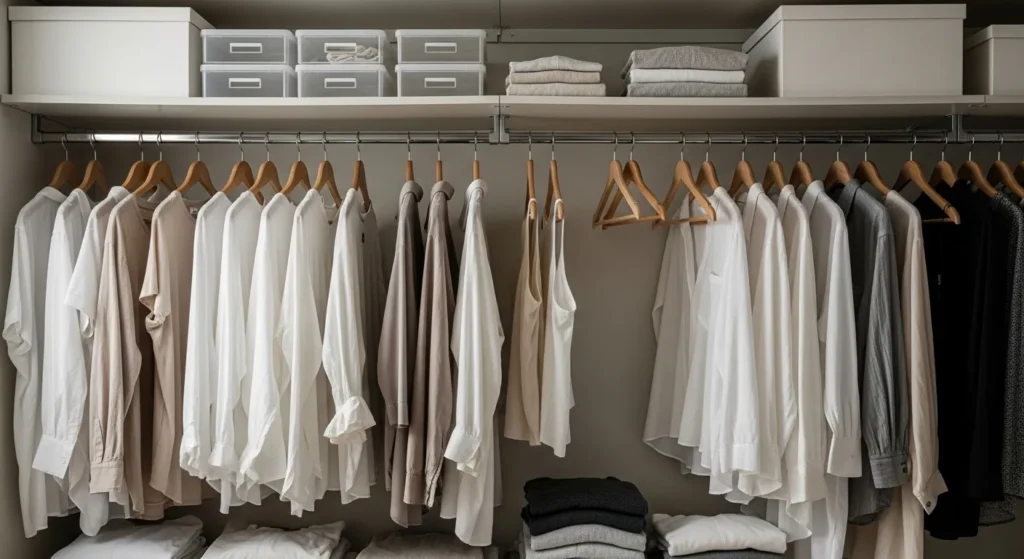
Closets deserve their own section because… wow.
The Closet Reality Check
If you haven’t worn something in a year, ask yourself why. Be honest.
Common excuses include:
-
“I’ll wear it someday”
-
“It might fit again”
-
“It was expensive”
Your closet should reflect your current life, not a fantasy version of you.
Keep Only What You Love and Wear
A simplified wardrobe:
-
Saves time every morning
-
Reduces decision fatigue
-
Makes getting dressed easier
You don’t need more clothes. You need better choices.
Paper Clutter Is Sneakier Than You Think
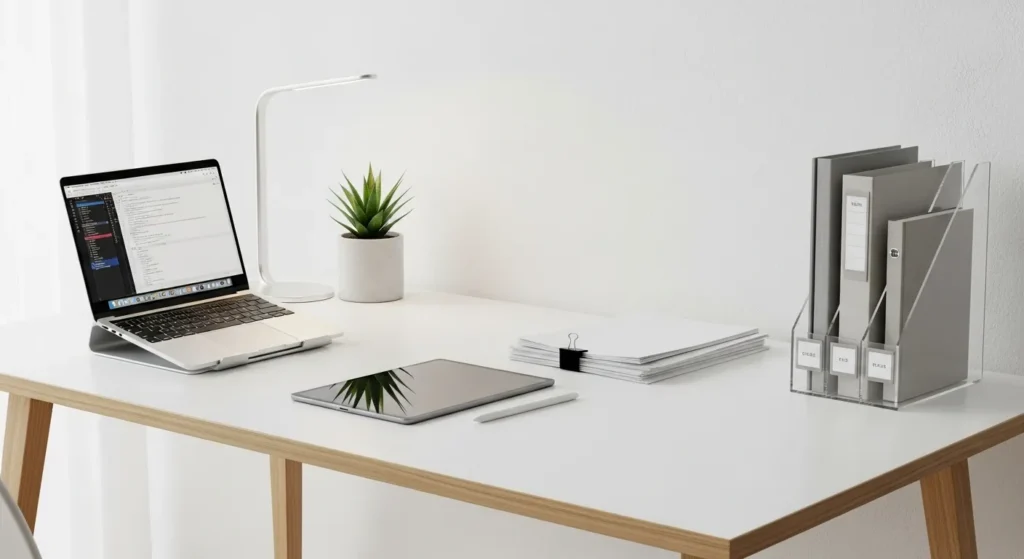
Paper feels harmless, but it piles up fast.
Go Digital Where Possible
Scan important documents and store them securely. Shred what you don’t need.
Keep physical copies only for:
-
Legal documents
-
IDs
-
Contracts
Everything else? Let it go. Your filing system doesn’t need to look like a lawyer’s office.
How to Get Rid of Stuff Without Feeling Bad

Decluttering guilt is real, and ignoring it doesn’t help.
Donate, Don’t Dump
When possible, donate usable items. Knowing someone else benefits makes letting go easier.
You can:
-
Donate clothes to shelters
-
Give books to schools
-
Offer items to friends
Releasing stuff responsibly feels way better than trashing it.
Remember: The Money Is Already Gone
Keeping something doesn’t bring the money back. It just costs you space and peace.
Once I accepted that, decluttering got way easier. Holding onto unused stuff doesn’t make it more valuable.
Stop Stuff From Coming Back In

Decluttering once is nice. Staying clutter-free is the real goal.
The One-In, One-Out Rule
Every time something new comes in, something old goes out. Simple, effective, and slightly annoying—in a good way.
This rule:
-
Forces intentional buying
-
Keeps clutter in check
-
Makes you pause before shopping
Ever wondered why this works so well? It creates instant awareness.
Buy With Purpose
Before buying, ask:
-
Where will this live?
-
Do I already own something similar?
-
Will this still matter in six months?
Mindful buying keeps your life simple long-term.
Simplifying Your Life Goes Beyond Physical Stuff

Here’s the plot twist: decluttering isn’t just about objects.
Simplify Your Schedule
Overcommitment clutters your life just like stuff does.
Try:
-
Saying no more often
-
Leaving gaps in your schedule
-
Prioritizing rest
Your time matters. Treat it like your most valuable possession—because it is.
Simplify Digital Clutter Too
Unsubscribe from emails you never read. Delete apps you don’t use. Organize your files.
Digital clutter:
-
Steals focus
-
Adds stress
-
Creates mental chaos
A cleaner phone feels weirdly calming. Don’t knock it till you try it :/
What Happens After You Simplify Your Life
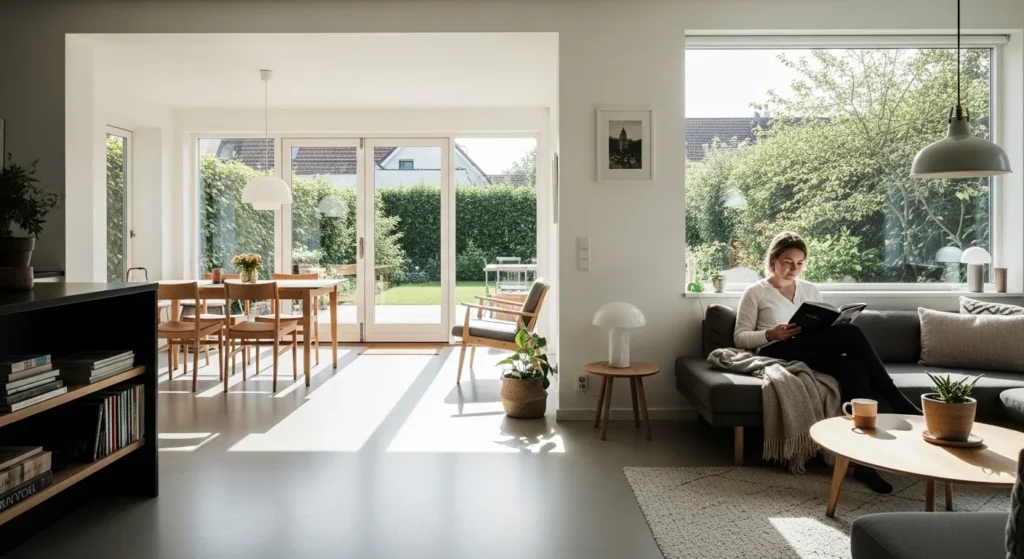
This is my favorite part.
You Feel Lighter—Mentally and Physically
Less stuff equals:
-
Clearer thinking
-
Faster cleaning
-
Better focus
You stop managing clutter and start enjoying your space.
You Make Better Decisions
When you simplify your life, you become more intentional. That mindset spills into everything—money, time, relationships.
Clarity breeds confidence. And confidence feels good.
Final Thoughts: Keep It Simple, Keep It Yours
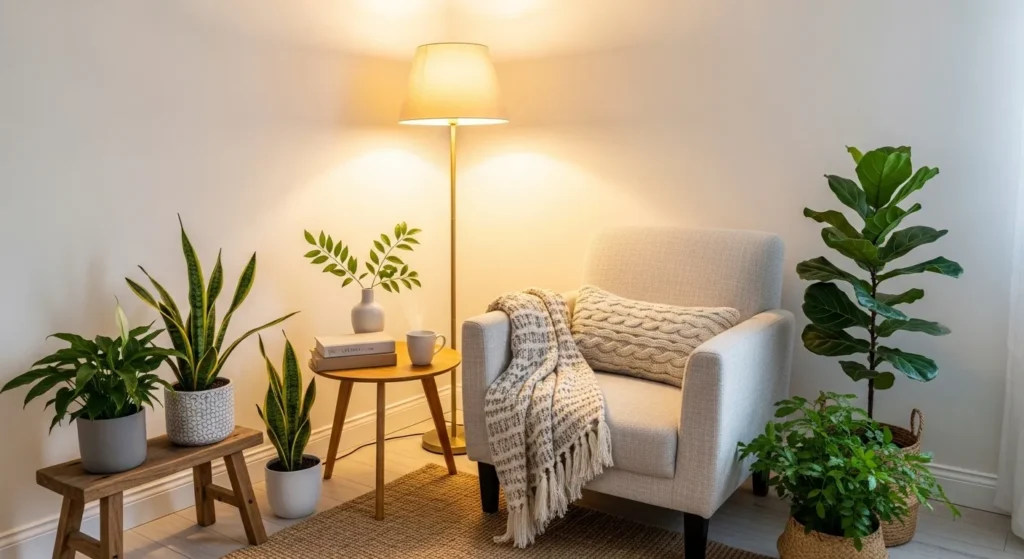
Simplifying your life and getting rid of stuff isn’t about perfection. It’s about creating space for what actually matters.
Start small. Be honest. Let go without guilt. Your home should support you, not stress you out.
So… what’s the first thing you’re going to declutter today? 😉
No related posts.